Tag: sacred valley

  • 20 Best Things to Do in Cusco and the Sacred Valley (2026 Guide)

    Most travelers arrive in Cusco thinking only of Machu Picchu, and leave wishing they had more time for the city itself. The former capital of the Inca Empire is a living museum: Inca walls hold up colonial churches, markets buzz with Quechua conversations and every hill around the city hides ruins, viewpoints and villages. Just beyond, the Sacred Valley unfolds with terraces, salt pans and some of the finest Inca architecture anywhere.

    This guide answers the questions travelers search for most: what to do in Cusco, what is worth paying for, how the Cusco Tourist Ticket works and which day trips to choose. We have grouped 20 experiences by area, with a comparison table and practical tips to help you plan.

    Things to Do in Cusco’s Historic Center

    1. Plaza de Armas

    The heart of Cusco, built over the Inca ceremonial square of Huacaypata. Sit on a bench, watch processions and festivals, and admire the cathedral and the Church of La Compañía glowing at night.

    2. Cusco Cathedral

    Built on the foundations of an Inca palace, the cathedral houses one of the finest collections of colonial art in South America, including a famous painting of the Last Supper with a guinea pig on the table.

    3. Qorikancha (Temple of the Sun)

    The most important temple of the Inca Empire, once covered in gold. Today, a Dominican convent stands on top of its perfect curved walls, a striking symbol of Cusco’s layered history.

    4. Hatun Rumiyoc Street and the 12-Angled Stone

    Walk along this narrow street to see a single stone fitted with 12 perfect angles, one of the best examples of Inca stonework.

    5. San Blas Neighborhood

    Steep cobbled streets, white walls, blue doors, artisan workshops and cafés. Climb to the small plaza for views over the rooftops.

    6. San Pedro Market

    Cusco’s main market is the place for fresh juices, breads, cheeses, fruits you have never seen and cheap set lunches. Our guide to what to eat in Cusco tells you what to try.

    7. Museums

    The Museo Inka, the Museum of Pre-Columbian Art and the Choco Museo, where you can make your own chocolate, are excellent for rainy afternoons.

    CUSCO EXPERIENCES

    Make the most of your days in Cusco

    Sacred Valley day trips, Rainbow Mountain, city tours and cooking classes: the best acclimatization days are the ones you plan ahead.

    EXPLORE CUSCO TOURS →

    ★★★★★ Free cancellation on most activities
    Inca Sites Above the City

    8. Sacsayhuamán

    A huge ceremonial complex with zigzag walls of enormous stones, some weighing over 100 tons. It hosts the Inti Raymi festival every June 24. You can walk up from the center in about 30 minutes, but take it slowly at altitude.

    9. Q’enqo, Puka Pukara and Tambomachay

    Three smaller sites along the road above Sacsayhuamán: a carved rock shrine, a small fortress and the Inca “baths” with flowing water channels. Many visitors take a taxi to Tambomachay and walk back downhill.

    10. Cristo Blanco and the San Cristóbal Viewpoint

    Two free viewpoints with panoramic views of Cusco’s red rooftops. Sunset is the best time.

    The Cusco Tourist Ticket Explained

    Many sites in and around Cusco can only be visited with the Boleto Turístico del Cusco. The general ticket costs S/ 130 for foreign adults, is valid for 10 days and covers 16 attractions, including Sacsayhuamán, Pisac, Ollantaytambo, Moray and several museums. Partial tickets covering one circuit cost S/ 70. It does not include Machu Picchu, the Cathedral, Qorikancha or the Maras salt pans, which charge separately.

    Ticket Price (foreign adult) Validity Includes
    General Tourist Ticket S/ 130 10 days All 16 sites
    Partial Circuit I S/ 70 1 day Sacsayhuamán, Q’enqo, Puka Pukara, Tambomachay
    Partial Circuit II S/ 70 1 day Museums and sites south of Cusco
    Partial Circuit III S/ 70 2 days Pisac, Ollantaytambo, Chinchero, Moray
    Student ticket (ISIC) S/ 70 10 days All 16 sites

    You can buy it at the official COSITUC office in Cusco or at the entrance of the included sites. Bring your passport. If you will visit at least four sites, the general ticket is the better deal.

    TOURS & GUIDES

    Skip the stress with a guided Machu Picchu tour

    Licensed guides, train and bus combos and full-day tours from Cusco, with reviews from real travelers and free cancellation on most activities.

    SEE MACHU PICCHU TOURS →

    ★★★★★ Rated by millions of travelers worldwide

    Things to Do in the Sacred Valley

    11. Pisac Ruins and Market

    Spectacular terraces climbing a mountainside, plus a busy artisan market in the town below, especially lively on Sundays.

    12. Ollantaytambo

    A living Inca town with original street layouts, water channels and a fortress-temple on the hill. It is also the main station for trains to Machu Picchu, so many travelers spend a night here.

    13. Moray

    Circular agricultural terraces that look like an amphitheater. Researchers believe the Incas used them to study crops at different microclimates.

    14. Maras Salt Pans

    Thousands of salt pools cascading down a valley, worked by local families since pre-Inca times. The view at golden hour is magical.

    15. Chinchero

    A weaving village with an Inca site, a colonial church and cooperatives where women demonstrate natural dyeing and traditional weaving.

    Day Trips and Adventures from Cusco

    16. Machu Picchu

    Of course. Plan your visit with our route guide and ticket guide.

    17. Rainbow Mountain

    Striped mountains above 5,000 meters. Choose between the famous Vinicunca and quieter Palccoyo with this Rainbow Mountain comparison.

    18. Humantay Lake

    A turquoise glacial lake beneath snowy peaks, reached by a steep hike. It is also the first stop of the Salkantay trek.

    19. South Valley

    Visit Tipón’s Inca fountains, the Pikillaqta pre-Inca city and the “Sistine Chapel of the Andes” in Andahuaylillas.

    20. Cooking Class or Pisco Tasting

    Learn to make ceviche, lomo saltado and pisco sours with local chefs, a great activity for your last evening.

    WHERE TO SLEEP

    Book your room in Cusco & Aguas Calientes

    Thousands of hotels, hostels and boutique stays with free cancellation on most rooms, so you can lock in a bed before Machu Picchu dates sell out.

    CHECK HOTEL DEALS →

    ★★★★★ 28M+ listings · free cancellation on most stays

    Comparing Popular Day Trips

    Day trip Duration Max altitude Difficulty
    Sacred Valley tour Full day ≈ 3,700 m (Chinchero) Easy
    Machu Picchu Full day or overnight ≈ 2,430 m Easy to moderate
    Rainbow Mountain (Vinicunca) Full day, early start ≈ 5,000 m Hard
    Humantay Lake Full day, early start ≈ 4,200 m Moderate to hard
    South Valley Half day ≈ 3,500 m Easy

    Leave high-altitude trips for the end of your stay, after your body has adjusted. Our altitude guide explains why.

    FLIGHTS TO CUSCO

    Find the cheapest Lima → Cusco fares

    Compare every airline flying into Cusco in seconds, set price alerts and grab the early-morning departures that leave you time to acclimatize.

    COMPARE FLIGHTS →

    ★★★★★ Trusted by 100M+ travelers every month

    Cusco After Dark

    When the sun goes down, Cusco changes character. The cathedral and churches around the Plaza de Armas are lit up, balconies fill with diners and live Andean music drifts out of restaurants. Book a table at one of the city’s acclaimed Novo Andino restaurants, try a pisco sour at a rooftop bar with views of the square, or catch a folk dance show at the Centro Qosqo de Arte Nativo, which is included in the Cusco Tourist Ticket. Temperatures drop quickly after sunset, so carry a warm layer, and use a registered taxi to get back to your hotel late at night.

    Festivals Worth Planning Around

    Cusco celebrates almost constantly, but a few events are worth building your trip around. Inti Raymi, the Inca Festival of the Sun on June 24, fills Sacsayhuamán with a grand reenactment of the winter solstice ceremony. Corpus Christi, in May or June, brings giant statues of saints from Cusco’s churches into the Plaza de Armas, with traditional food stalls selling chiri uchu. During Semana Santa (Easter week), processions wind through the streets, and on Easter Monday the city honors the Señor de los Temblores, its patron of earthquakes. In late December, the Santurantikuy market fills the main square with handmade nativity figures. Hotels fill quickly on these dates, so book early.

    Shopping for Souvenirs

    Cusco is the best place in Peru to buy alpaca textiles, ceramics and silver. Look for baby alpaca sweaters and scarves in reputable shops, visit the weaving cooperatives of Chinchero to buy directly from the artisans, and browse the San Blas workshops for ceramics and paintings. In markets, bargain politely and remember that “alpaca” at very low prices is often synthetic.

    Where to Stay in Cusco by Area

    • Historic center: walk to everything, lively at night, ideal for first-time visitors.
    • San Blas: charming and artsy, with views, but steep streets that are tiring at altitude.
    • San Cristóbal: quieter, with views over the rooftops, close to Sacsayhuamán.
    • Near Avenida El Sol: flatter streets, good for travelers with mobility concerns.
    • Sacred Valley (Urubamba, Ollantaytambo): lower altitude, peaceful resorts and the best base for the first nights.

    Practical Tips for Cusco

    • Go slow on day one. Cusco sits at about 3,400 meters.
    • Use official taxis or apps and agree on the fare before you get in.
    • Carry small bills. Markets and taxis rarely have change.
    • Dress in layers. Mornings and nights are cold; afternoons can be hot in the sun.
    • Book a hotel near the center or San Blas to walk everywhere.
    • Respect sacred sites and ask before photographing people.

    For a full city overview, our sister site has a detailed Cusco travel guide. And if you want a ready-made plan, see our 3, 5 and 7-day itineraries. Continuing south into Bolivia after Cusco? Learn how to get from La Paz to the Uyuni salt flats and which Salar de Uyuni tour suits you.

    GEAR WE RECOMMEND

    A Peru guidebook

    A good printed guide is handy for museum context, maps and Quechua phrases when your phone battery runs low on long days in the valley.

    See options on Amazon →

    TRAVEL INSURANCE

    Hike the Andes fully covered

    Medical cover for trips abroad, including emergency care in Peru. Sign up online in minutes, even if you are already on the road.

    GET COVERED NOW →

    ★★★★★ Built for nomads and travelers in 180+ countries

    Frequently Asked Questions

    What is Cusco famous for?

    Cusco is famous as the former capital of the Inca Empire, for its Inca stonework under colonial buildings, and as the gateway to Machu Picchu and the Sacred Valley.

    How many days should I spend in Cusco?

    Plan at least two full days in the city, plus one or two days in the Sacred Valley and one day for Machu Picchu.

    Is the Cusco Tourist Ticket worth it?

    Yes, if you visit at least four of its 16 sites. It costs S/ 130 for foreign adults and is valid for 10 days.

    Does the Cusco Tourist Ticket include Machu Picchu?

    No. Machu Picchu requires its own ticket. The Cathedral, Qorikancha and the Maras salt pans also charge separately.

    What are the best free things to do in Cusco?

    Walking the Plaza de Armas, San Blas, Hatun Rumiyoc street, the San Pedro market and the Cristo Blanco and San Cristóbal viewpoints.

    Can I visit the Sacred Valley without a tour?

    Yes. Shared vans and taxis connect Cusco with Pisac, Urubamba and Ollantaytambo, though a tour is easier for Moray and Maras.

    Is Rainbow Mountain worth it?

    For many travelers, yes, but it reaches over 5,000 meters. Do it only after acclimatizing for a few days.

    What is the best time to visit Cusco?

    The dry season from May to September has the clearest skies, while April and October are good shoulder months.

    Is Cusco walkable?

    Yes, the historic center is compact, but streets are steep and the altitude makes walking tiring at first.

    Where should I stay in Cusco?

    The historic center and San Blas are ideal for walking. Choose a hotel with heating, since nights are cold.

    Conclusion: Cusco Deserves More Than a Stopover

    Cusco is not just the gateway to Machu Picchu. It is a destination in its own right, with world-class Inca sites, lively markets, beautiful neighborhoods and a valley full of terraces and villages. Give it at least a couple of days, buy the tourist ticket if you plan to see the ruins, save the high excursions for the end and leave room to simply wander. You will understand why the Incas called it the navel of the world.

    Ready to explore? Book your Cusco hotel and choose the Sacred Valley tours that fit your trip.

    CUSCO EXPERIENCES

    Make the most of your days in Cusco

    Sacred Valley day trips, Rainbow Mountain, city tours and cooking classes: the best acclimatization days are the ones you plan ahead.

    EXPLORE CUSCO TOURS →

    ★★★★★ Free cancellation on most activities
  • How Many Days Do You Need for Machu Picchu? 3, 5 and 7-Day Itineraries

    How Many Days Do You Need for Machu Picchu? 3, 5 and 7-Day Itineraries

    “How many days do I need for Machu Picchu?” Most people ask this question while staring at a calendar with limited vacation days. The honest answer is that you can see Machu Picchu in a single long day from Cusco, but you will enjoy it far more, and feel much better at altitude, if you give the region at least four or five days.

    Below you will find the minimum time we recommend, ready-made 3, 5 and 7-day itineraries, a 10-day extension into Lake Titicaca and Bolivia, and a comparison table to help you choose. Each plan follows a simple principle that makes a huge difference: sleep low first, then go higher.

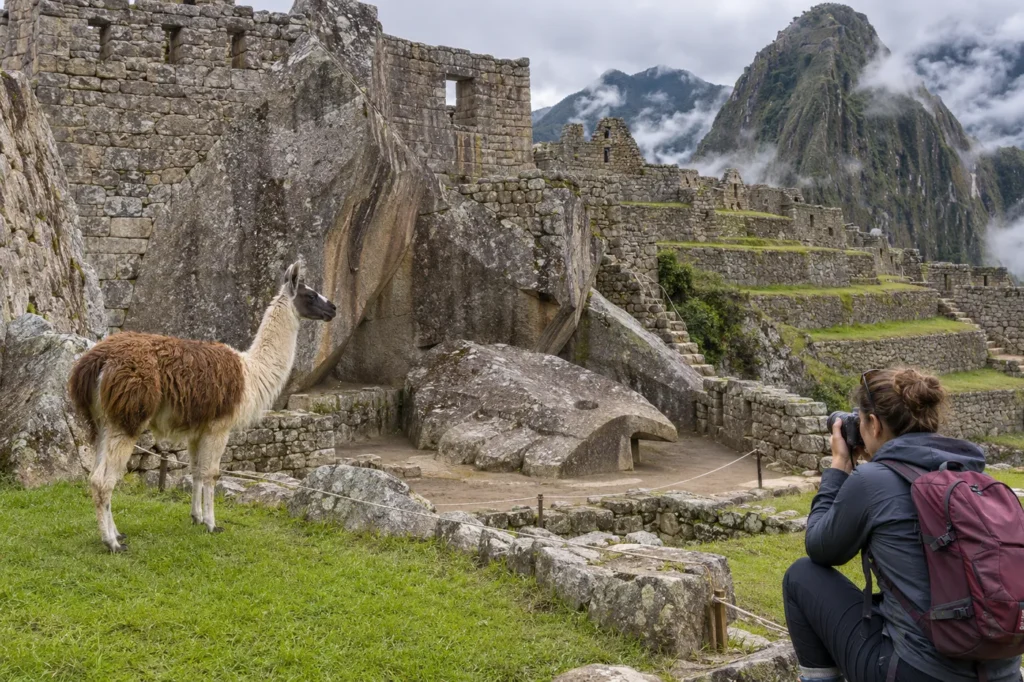
    Llama near the Temple of the Condor at Machu Picchu with a photographer
    Give yourself enough days to explore temples like the Condor without rushing.

    The Short Answer: How Many Days?

    • Minimum: 3 days in the Cusco region, including one at Machu Picchu.
    • Ideal for most travelers: 5 days, with time to acclimatize, see the Sacred Valley and Cusco, and visit Machu Picchu without rushing.
    • Relaxed or adding a trek: 7 days, with room for Rainbow Mountain, Humantay Lake or a two-day Inca Trail.
    • Classic Inca Trail: at least 7 days, because you need 2 to 3 days of acclimatization before 4 days of hiking.

    Add one day at each end if you are flying in from Lima or abroad, because weather in the Andes can delay flights.

    Why Acclimatization Shapes Every Itinerary

    Cusco sits at about 3,400 meters, while the Sacred Valley is around 2,800 to 2,900 meters and Machu Picchu about 2,430 meters. Most visitors feel the altitude in Cusco on their first day. Spending your first nights lower, in the Sacred Valley, and leaving Cusco for the end of the trip helps your body adjust gradually. Our altitude sickness guide explains why this works.

    Itinerary Comparison

    Trip length Best for Highlights Pace
    3 days Short trips, add-on to a wider tour Sacred Valley, Machu Picchu, quick Cusco Fast
    5 days First-time visitors Sacred Valley, Machu Picchu, Cusco and Sacsayhuamán Balanced
    7 days Travelers who want depth or a trek All of the above plus Rainbow Mountain or Humantay Lake Relaxed
    10 days Combining Peru and Bolivia Machu Picchu, Lake Titicaca, La Paz, Salar de Uyuni Full

    3-Day Machu Picchu Itinerary

    Day 1: Arrive in Cusco, go straight to the Sacred Valley

    Fly into Cusco in the morning and transfer directly to Ollantaytambo. Have a light lunch, walk slowly around the cobbled Inca streets and visit the fortress late in the afternoon if you feel well. Drink water, skip alcohol and sleep early.

    Day 2: Machu Picchu

    Take an early train to Aguas Calientes, ride the shuttle up and enter on your timed slot with a guide. Choose a circuit that includes the classic viewpoint. In the afternoon, take the train back to Ollantaytambo and transfer to Cusco, or sleep in Aguas Calientes if you prefer a slower pace.

    Day 3: Cusco

    Explore the Plaza de Armas, the cathedral, Qorikancha and the San Pedro market. If you have a late flight, visit Sacsayhuamán above the city. Fly out in the afternoon or evening.

    TOURS & GUIDES

    Skip the stress with a guided Machu Picchu tour

    Licensed guides, train and bus combos and full-day tours from Cusco, with reviews from real travelers and free cancellation on most activities.

    SEE MACHU PICCHU TOURS →

    ★★★★★ Rated by millions of travelers worldwide

    5-Day Machu Picchu and Cusco Itinerary

    Day 1: Cusco airport to the Sacred Valley

    Transfer to Urubamba or Ollantaytambo and rest. If you arrive early and feel good, stop at the Pisac market on the way.

    Day 2: Sacred Valley highlights

    Visit the circular terraces of Moray and the salt pans of Maras in the morning, then the Ollantaytambo fortress in the afternoon. Take an evening train to Aguas Calientes and check into your hotel.

    Day 3: Machu Picchu

    Catch one of the first shuttles for an early entry. Explore with a guide, then relax at the hot springs or the site museum. Take an afternoon train back and continue to Cusco.

    Day 4: Cusco

    Your body has adjusted by now. Spend the day exploring the historic center, San Blas and the San Pedro market, and visit Sacsayhuamán, Q’enqo and Tambomachay. Our guide to the best things to do in Cusco has more ideas.

    Day 5: Departure

    Enjoy a last breakfast with a view and fly back to Lima or onward.

    WHERE TO SLEEP

    Book your room in Cusco & Aguas Calientes

    Thousands of hotels, hostels and boutique stays with free cancellation on most rooms, so you can lock in a bed before Machu Picchu dates sell out.

    CHECK HOTEL DEALS →

    ★★★★★ 28M+ listings · free cancellation on most stays

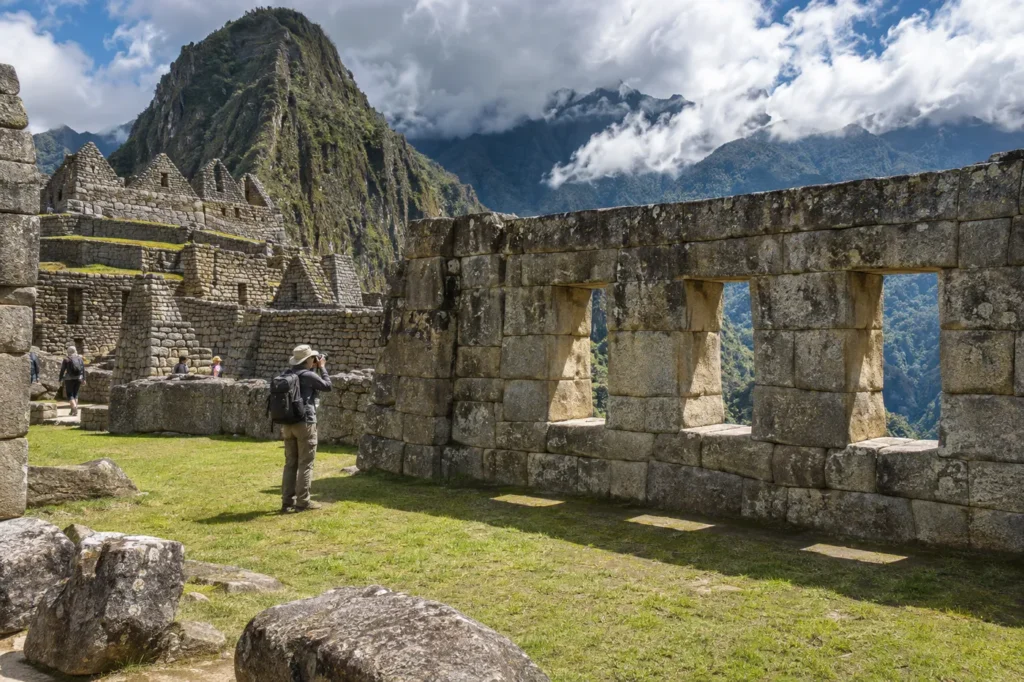
    Temple of the Three Windows at Machu Picchu with Huayna Picchu in the background
    The Temple of the Three Windows, a must-see on a relaxed full-day visit.

    7-Day Itinerary with Rainbow Mountain or a Short Trek

    Days 1–2: Sacred Valley

    Follow days 1 and 2 of the 5-day plan, staying two nights in the valley to acclimatize well.

    Day 3: Machu Picchu, or the start of the Short Inca Trail

    Either take the train for a standard visit, or start the two-day Short Inca Trail at kilometer 104, which reaches the Sun Gate in the afternoon. Both need advance booking, and the Inca Trail needs a permit.

    Day 4: Second visit or return

    Use a second ticket to climb Huayna Picchu or Machu Picchu Mountain, or explore a different circuit. Return to Cusco in the afternoon.

    Day 5: Cusco

    Explore the city, museums and markets at a relaxed pace.

    Day 6: Rainbow Mountain or Humantay Lake

    Both are full-day trips that start before dawn and reach high altitude, so they work best near the end of your stay. Compare the options in this guide to Vinicunca vs Palccoyo.

    Day 7: Departure

    Fly out, or continue south to Lake Titicaca.

    MACHU PICCHU EXPERIENCES

    Make the most of your Machu Picchu visit

    2-day trips, Huayna Picchu, Machu Picchu Mountain and private guides: the best Machu Picchu days are the ones you book ahead.

    SEE THE 2-DAY MACHU PICCHU TRIP →

    ★★★★★ Free cancellation on most activities
    10-Day Plan: Machu Picchu, Lake Titicaca and the Uyuni Salt Flats

    Many travelers combine Peru and Bolivia in one trip. After the 7-day plan, continue overland:

    Realistically, this extension adds four to six days, so a full Peru and Bolivia route works best in two weeks.

    Itineraries Starting in Lima

    If you arrive internationally in Lima, add at least one day at the start. Sleep near the airport or in Miraflores, then fly to Cusco the next morning. On the way home, allow a buffer day before your international flight in case of delays. Our Lima to Machu Picchu guide explains every connection, and Uncover the Andes has a full Lima travel guide if you want to explore the capital.

    FLIGHTS TO CUSCO

    Find the cheapest Lima → Cusco fares

    Compare every airline flying into Cusco in seconds, set price alerts and grab the early-morning departures that leave you time to acclimatize.

    COMPARE FLIGHTS →

    ★★★★★ Trusted by 100M+ travelers every month

    What If You Only Have One Day?

    If your schedule allows just one day, start in Cusco or Ollantaytambo with the earliest train, book an entry slot around mid-morning and return on an afternoon train. Hire a guide at the entrance to make the most of your few hours, and choose a circuit that includes the classic viewpoint. You will be tired, and you will miss the Sacred Valley and Cusco’s sights, but you will see Machu Picchu. If at all possible, though, arrive in the region a day earlier: even one night in the valley before the visit makes a big difference to how you feel.

    Which Itinerary Fits Your Travel Style?

    Traveler Recommended length Key adjustment
    Families with children 6–7 days Extra rest day, hotel with garden in the Sacred Valley
    Couples / honeymoon 5–7 days Panoramic train, a night in Aguas Calientes, spa time
    Backpackers 5–7 days Hidroeléctrica route, hostels, Salkantay trek
    Hikers 7–10 days Classic Inca Trail or Salkantay after acclimatizing
    Older travelers 6–7 days Slow start, private transfers, standard circuit without mountains
    Photographers 5–7 days Two visits to Machu Picchu at different times of day

    Families and older travelers benefit most from extra time. A slower start in the valley, private transfers instead of crowded vans and a circuit without steep mountain climbs make the trip far more enjoyable. Photographers, on the other hand, should prioritize a second visit to the citadel, since light and clouds change completely between morning and afternoon. Our best photo spots guide explains which circuits to book.

    Tips for Building Your Own Itinerary

    1. Book your Machu Picchu entrance first, then build everything else around the entry time.
    2. Never visit Machu Picchu on the same day you land in Cusco.
    3. Put high-altitude excursions, like Rainbow Mountain, near the end.
    4. Choose hotels with free cancellation in case trains or flights change.
    5. Keep one flexible day in the rainy season, from November to March.
    6. Remember that the Inca Trail closes every February.

    Not sure which month to travel? Read our best time to visit guide, and for a budget estimate, see how much a Machu Picchu trip costs.

    GEAR WE RECOMMEND

    A packable daypack

    Trains to Machu Picchu allow only small bags. A lightweight daypack that folds into its own pocket is perfect for overnight stays in Aguas Calientes.

    See options on Amazon →

    TRAVEL INSURANCE

    Hike the Andes fully covered

    Medical cover for trips abroad, including emergency care in Peru. Sign up online in minutes, even if you are already on the road.

    GET COVERED NOW →

    ★★★★★ Built for nomads and travelers in 180+ countries

    Frequently Asked Questions

    How many days do you need for Machu Picchu?

    At least 3 days in the Cusco region, but 5 days is ideal for most first-time visitors because it allows time to acclimatize and see the Sacred Valley and Cusco.

    Can you visit Machu Picchu in one day from Cusco?

    Yes, with early trains and a return the same evening. It is a long, tiring day and leaves no time to acclimatize, so we only recommend it if you are short on time.

    How many days should I spend in Cusco?

    Plan at least two full days in Cusco itself, ideally at the end of your trip once you are acclimatized.

    Is 2 days enough for Machu Picchu and Cusco?

    It is possible but rushed. You would spend most of your time in transit and have no time to adjust to the altitude.

    Should I stay in Cusco or the Sacred Valley first?

    The Sacred Valley first. It is lower, closer to the train and easier on your body during the first nights.

    How many days do I need for the Inca Trail?

    The Classic Inca Trail takes 4 days, plus 2 to 3 days of acclimatization beforehand, so plan at least 7 days.

    Do I need to stay overnight in Aguas Calientes?

    Not always, but it is necessary for the earliest entry slots and makes two visits easy.

    Can I combine Machu Picchu with Lake Titicaca?

    Yes. Puno is a day’s bus ride from Cusco, and you can continue to Bolivia from there.

    How many days do I need for Peru and Bolivia?

    Two weeks lets you see Lima, Cusco, Machu Picchu, Lake Titicaca, La Paz and the Uyuni salt flats at a reasonable pace.

    When should I book my Machu Picchu itinerary?

    Two to three months ahead for June to August, and earlier if you want the Inca Trail or Huayna Picchu.

    Conclusion: Give Machu Picchu the Time It Deserves

    You can tick Machu Picchu off in a day, but five days turns it into a journey: quiet mornings in the Sacred Valley, a relaxed visit to the citadel and time to enjoy Cusco once your body has adapted. If you have more time, add a trek, Rainbow Mountain or the road south to Lake Titicaca and Bolivia. Start with the entrance ticket, follow the sleep-low rule and the rest falls into place.

    Ready to build your trip? Book your flights, choose your hotels and add the tours that match your itinerary.

    WHERE TO SLEEP

    Book your room in Cusco & Aguas Calientes

    Thousands of hotels, hostels and boutique stays with free cancellation on most rooms, so you can lock in a bed before Machu Picchu dates sell out.

    CHECK HOTEL DEALS →

    ★★★★★ 28M+ listings · free cancellation on most stays