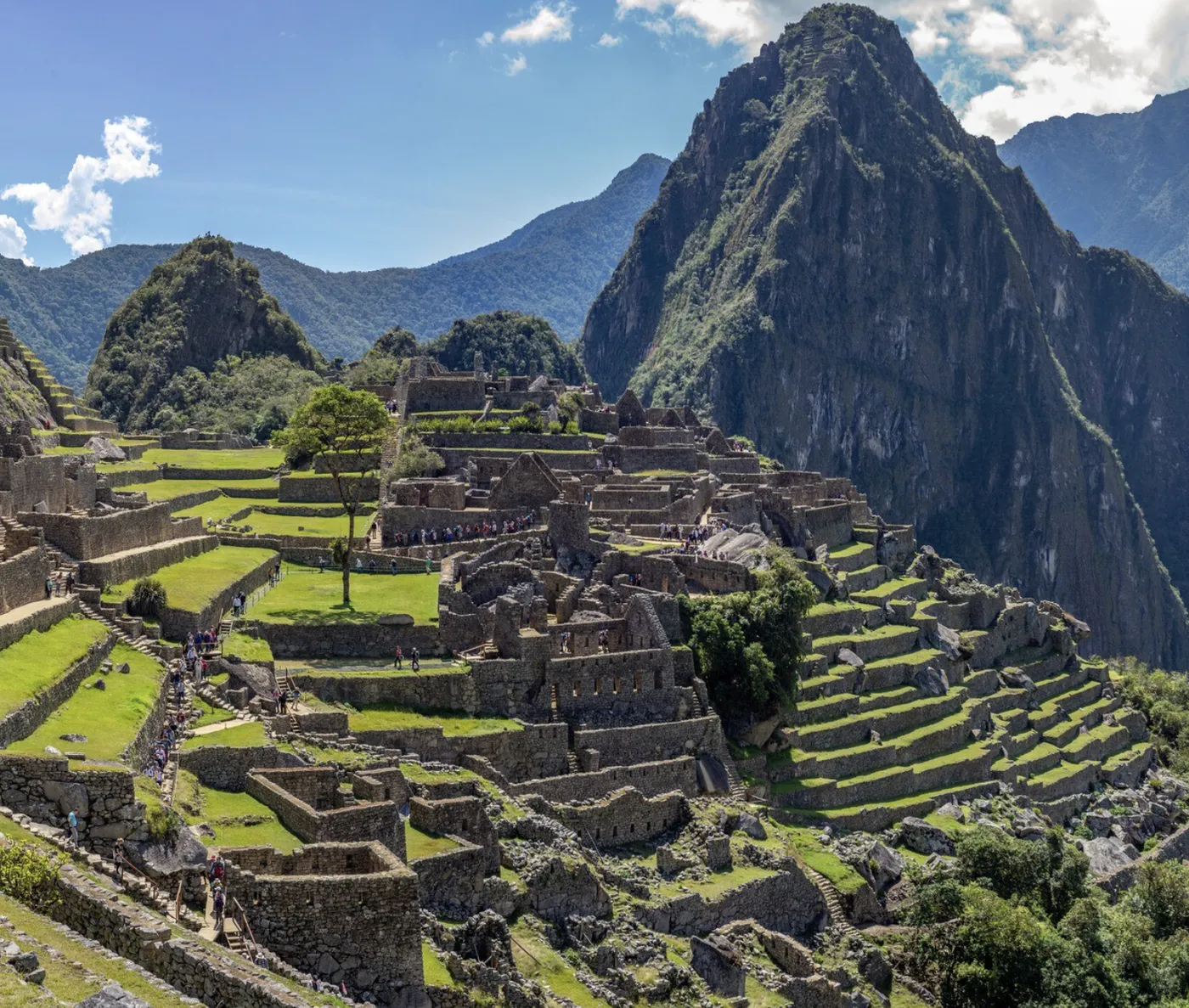
Machu Picchu sits in a cloud forest gorge about 500 kilometers from Lima, and there is no road that takes you all the way to the gate. That single fact shapes every plan. You cannot rent a car in Lima and drive to the ruins, and you cannot take one bus that drops you at the entrance. Instead, you string together a chain of transport: a flight or a long bus ride to Cusco, a transfer into the Sacred Valley, a train along the Urubamba River to the town of Aguas Calientes, and finally a short shuttle bus up a switchback road to the citadel.
It sounds complicated, but once you see the chain laid out, it is very manageable. In this guide you will find every realistic route from Lima to Machu Picchu in 2026, how long each leg takes, what it costs, where travelers lose time and money, and a day-by-day itinerary that builds in time to adjust to the altitude. Whether you are flying in for a short trip or backpacking on a tight budget, you will finish this article knowing exactly which tickets to buy and in what order.
The Big Picture: How the Route Works
Think of the journey as five links. Each link has its own ticket and its own timetable, and the whole trip only works if they fit together.
- Lima to Cusco. Almost everyone flies. The flight takes roughly an hour and twenty minutes. The alternative is an overnight bus of around 20 to 22 hours.
- Cusco to Ollantaytambo. Ollantaytambo is the Sacred Valley town where most trains to Machu Picchu start. The ride by road takes about an hour and a half to two hours.
- Ollantaytambo to Aguas Calientes. The train follows the river through the gorge in about an hour and forty-five minutes. Aguas Calientes is also called Machu Picchu Pueblo.
- Aguas Calientes to the ruins. The Consettur shuttle bus climbs the Hiram Bingham road in about 25 to 30 minutes. You can also walk up a steep stone staircase in around 90 minutes.
- Your timed entry. Your Machu Picchu ticket has a specific circuit and a specific entry hour, so everything before it has to be planned backwards from that time.
The most common mistake is buying these pieces in the wrong order. Your entrance ticket is the scarcest item, so it comes first. Then you buy the train that lands you in Aguas Calientes with a comfortable margin before your entry slot. Then the flight. We explain the ticket system in depth in our Machu Picchu tickets and circuits guide, so read that before you pay for anything else.
Step 1: Lima to Cusco
Flying from Lima to Cusco
Jorge Chávez International Airport in Lima has frequent daily flights to Alejandro Velasco Astete Airport in Cusco. Several airlines compete on the route, including LATAM, Sky Airline and JetSMART, which keeps prices reasonable if you book a few weeks ahead. Morning flights are the norm, because afternoon weather in the Andes can make landings in Cusco more difficult, and early departures are less likely to suffer delays.
A few practical tips for this leg:
- Book the earliest flight you can stomach. Arriving in Cusco before noon gives you a full afternoon to rest, drink water and walk slowly around the historic center.
- Watch the baggage rules. Low-cost carriers charge for checked bags and sometimes for larger carry-ons. Compare the total fare, not just the headline price.
- Leave a buffer if you are connecting from an international flight. If your long-haul flight lands in Lima late at night, sleep near the airport and fly to Cusco the next morning instead of risking a tight connection.
FLIGHTS TO CUSCO
Find the cheapest Lima → Cusco fares
Compare every airline flying into Cusco in seconds, set price alerts and grab the early-morning departures that leave you time to acclimatize.
★★★★★ Trusted by 100M+ travelers every month
Taking the bus from Lima to Cusco
If you are traveling slowly or on a strict budget, long-distance buses run from Lima to Cusco every day. The direct ride takes roughly 20 to 22 hours and climbs from sea level to over 3,000 meters, which is hard on the body. Most travelers who choose the bus break the trip in Nazca, Arequipa or Puno, turning a punishing ride into a classic southern Peru circuit. Premium companies offer seats that recline almost flat, meals and onboard bathrooms. If you choose this route, travel in the highest class you can afford and keep warm layers in your day bag, because nights in the mountains get cold.
Arriving in Cusco: what to do first
Cusco sits at about 3,400 meters (11,150 feet). Most people feel the altitude within hours: a light headache, shortness of breath on stairs, poor sleep. Do not plan anything strenuous on your arrival day. We strongly recommend spending at least two nights in Cusco or the Sacred Valley before you visit Machu Picchu. Our guide to altitude sickness in Cusco explains how to acclimatize and when to see a doctor.
A smart alternative is to go straight from the Cusco airport to the Sacred Valley, which sits several hundred meters lower. Towns like Urubamba and Ollantaytambo are around 2,800 to 2,900 meters, and sleeping lower for the first night or two often makes adjustment easier. Ollantaytambo is also where your train leaves, so staying there saves you an early-morning transfer.
Step 2: Cusco to Ollantaytambo
You have four main ways to reach Ollantaytambo from Cusco:
- Private transfer or taxi. The most comfortable option, door to door in about an hour and a half. Agree on the price before you get in, or book through your hotel.
- Shared colectivo vans. Cheap and frequent, leaving from Calle Pavitos in Cusco when full. Expect tight seats and little space for luggage.
- Bimodal train services. PeruRail and Inca Rail both sell tickets that include a bus from Cusco to the Sacred Valley and the train onward. It is convenient because one ticket covers both legs.
- Train from Cusco (seasonal). PeruRail runs trains from Poroy station near Cusco during the drier months, though the ride is slow because of the switchbacks out of the city. Check the operator’s website for the current season.
If you spend a night in the Sacred Valley, you can visit the Pisac market, the Moray terraces and the Maras salt pans on the way, turning a transfer into a full day of sightseeing. Many Cusco tour companies sell this as a “Sacred Valley day tour” that ends in Ollantaytambo in time for an evening train.
MACHU PICCHU EXPERIENCES
Make the most of your Machu Picchu visit
2-day trips, Huayna Picchu, Machu Picchu Mountain and private guides: the best Machu Picchu days are the ones you book ahead.
SEE THE 2-DAY MACHU PICCHU TRIP →
★★★★★ Free cancellation on most activities
Step 3: The Train to Aguas Calientes
Two companies operate trains on the line to Machu Picchu: PeruRail and Inca Rail. Both run several classes, from basic seats with big windows to luxury carriages with dining cars. The trip from Ollantaytambo takes roughly an hour and forty-five minutes and follows the Urubamba River as the landscape turns from dry valley into dense green cloud forest. Sit on the left side going toward Aguas Calientes for the best river views.
Train classes compared
| Operator | Class | Approx. one-way price (USD) | What you get |
|---|---|---|---|
| PeruRail | Expedition | $65 – $90 | Large windows, water, comfortable seats |
| Inca Rail | The Voyager | $60 – $90 | Panoramic windows, light snack options |
| PeruRail | Vistadome | $95 – $130 | Roof windows, snack, cultural show on return |
| Inca Rail | The 360° | $85 – $140 | Panoramic windows and open-air observatory car |
| Inca Rail | First Class | $200+ | Gourmet meal, bar lounge, open balcony |
| PeruRail | Hiram Bingham | $500+ | Luxury train, fine dining, entry and guide often bundled |
Prices change by season and departure time, so treat these as reference ranges and check the operators’ websites. Early-morning and late-afternoon trains are usually cheaper. Each passenger can usually take only a small backpack or bag on the economy trains, so leave your large suitcase at your hotel in Cusco or Ollantaytambo.
How to time your train
Plan backwards from your Machu Picchu entry time. You need to get off the train, walk to the bus queue, ride up for 25 to 30 minutes, and reach the gate within the 30-minute grace window. Train operators recommend arriving in Aguas Calientes at least an hour before your entry slot, and in high season we suggest two hours, because the shuttle line can be long. If your entry slot is before 9:00 a.m., the easiest solution is to sleep in Aguas Calientes the night before. Our guide to where to stay in Aguas Calientes covers the best areas and price ranges.
WHERE TO SLEEP
Book your room in Cusco & Aguas Calientes
Thousands of hotels, hostels and boutique stays with free cancellation on most rooms, so you can lock in a bed before Machu Picchu dates sell out.
★★★★★ 28M+ listings · free cancellation on most stays
Step 4: From Aguas Calientes Up to the Ruins
The Consettur shuttle bus is the only motorized way up to the citadel. Buses begin running around 5:30 a.m. and leave every few minutes when demand is high. The ride takes 25 to 30 minutes on a narrow, winding road. A round-trip ticket for foreign adults costs roughly US$24, and you can buy it at the Consettur office in town or in advance. Always carry your passport: the name on your bus ticket and your entrance ticket must match your ID.
The alternative is to walk. A stone staircase climbs steeply from the bridge below town to the entrance, a little under two kilometers with roughly 400 meters of elevation gain. Allow about an hour and a half going up and less coming down. It is a real workout, and if you plan to also hike Huayna Picchu or Machu Picchu Mountain, we suggest taking the bus up and walking down instead.
Budget Alternative: The Hydroelectric Route
Travelers on a tight budget can skip most of the train by taking a road route through Santa Teresa to the Hidroeléctrica station, then walking about 10 to 11 kilometers along the railway tracks to Aguas Calientes. The bus or van ride from Cusco takes around six hours on mountain roads, and the walk takes about two and a half to three hours on mostly flat ground. Many tour agencies in Cusco sell this as a two-day “Machu Picchu by car” package that includes transport, one night in Aguas Calientes and your entrance ticket.
This route saves a lot of money, but it costs time and comfort. The road has steep drops and is affected by landslides in the rainy season, and you should never walk the tracks after dark. If you do it, wear proper shoes, carry a headlamp and bring plenty of water.
GEAR WE RECOMMEND
A reliable headlamp
If you walk from Hidroeléctrica, catch the first shuttle at dawn or hike the stairs before sunrise, a bright rechargeable headlamp is the one item you will not want to forget.
Full Route Comparison: Lima to Machu Picchu
| Route | Total time (one way) | Approx. cost per person (one way) | Best for |
|---|---|---|---|
| Flight + transfer + train + bus | 8 – 10 hours of travel, spread over 2–3 days | $200 – $350 | Most travelers, short trips |
| Flight + bimodal train from Cusco + bus | Same as above, fewer transfers | $220 – $380 | Travelers who want one booking for the valley leg |
| Bus to Cusco + Hydroelectric route | 2 – 3 days | $80 – $150 | Backpackers with time |
| Flight + Inca Trail trek | 4 days of hiking after arrival | $700 – $1,300 for the trek | Hikers who book months ahead |
| Flight + luxury train | Same as standard route | $600+ | Special occasions |
If you would rather arrive on foot, read our comparison of the Inca Trail and the Salkantay trek. Both end at Machu Picchu, but they are very different experiences.
A Sample 5-Day Itinerary from Lima
Day 1: Fly to Cusco and go down to the Sacred Valley
Take a morning flight from Lima. From the airport, transfer directly to Urubamba or Ollantaytambo. Have a light lunch, take a short walk and go to bed early. Drink plenty of water and go easy on alcohol.
Day 2: Explore the Sacred Valley
Visit the Ollantaytambo ruins in the morning when they are quiet, then spend the afternoon at Moray and Maras or the Pisac market. In the evening, take the train to Aguas Calientes and check into your hotel.
Day 3: Machu Picchu
Catch an early shuttle, enter on your timed slot and explore your circuit with a guide. Return to Aguas Calientes for lunch and a soak in the hot springs, then take an afternoon train back to Ollantaytambo and a transfer to Cusco.
Day 4: Cusco
By now your body has adjusted. Visit the Plaza de Armas, Qorikancha, the San Pedro market and Sacsayhuamán. The Cusco tourist ticket covers many sites around the city and valley.
Day 5: Fly back to Lima
Take a morning flight back to Lima. If you are connecting to an international flight, leave several hours of buffer, because weather can delay flights out of Cusco.
TRAVEL INSURANCE
Hike the Andes fully covered
Medical cover for trips abroad, including emergency care in Peru. Sign up online in minutes, even if you are already on the road.
★★★★★ Built for nomads and travelers in 180+ countries
Common Mistakes to Avoid
- Booking the train before the entrance ticket. Trains rarely sell out completely, but entrance tickets for popular circuits do. Secure the ticket first.
- Going to Machu Picchu on the day you land in Cusco. A same-day trip from Lima is technically possible on some schedules, but it is exhausting and leaves no margin for delays or altitude symptoms.
- Bringing a large suitcase on the train. Luggage limits on the economy classes are small. Store big bags at your hotel.
- Forgetting your passport. You need the original passport you used to buy your tickets at the train, the bus and the entrance.
- Ignoring the rainy season. From roughly November to March, afternoon storms and occasional landslides can disrupt road and rail travel. Our guide to the best time to visit Machu Picchu explains how to plan around the weather.
- Not insuring the trip. Flights in the Andes get delayed and altitude can make people sick. Travel insurance with medical cover is inexpensive peace of mind.
FLIGHT DELAYED?
Get paid for delays & cancellations
If your flight to Peru was delayed, cancelled or overbooked, you may be owed compensation. Check your flight in under two minutes.
★★★★★ Helped 2M+ passengers claim compensation
What to Pack for the Journey
You will move through very different climates in a single trip: coastal Lima, the cold highlands of Cusco and the humid cloud forest around Machu Picchu. Pack layers rather than one heavy coat. A light down jacket or fleece, a rain jacket, a sun hat, sunscreen, insect repellent for Aguas Calientes, comfortable walking shoes with good grip and a small daypack are the essentials. Single-use plastic bottles are restricted inside the sanctuary, so bring a reusable bottle. Trekking poles are allowed only if they have rubber tips, and many visitors leave them behind unless they are hiking a mountain route.
GEAR WE RECOMMEND
A packable rain jacket
Weather in the cloud forest changes in minutes, even in the dry season. A light rain shell that folds into its own pocket weighs almost nothing and saves the day.
Frequently Asked Questions
How long does it take to get from Lima to Machu Picchu?
Counting the flight to Cusco, the transfer to Ollantaytambo, the train and the shuttle bus, you need roughly 8 to 10 hours of actual travel. Most travelers spread it over two or three days so they can adjust to the altitude in Cusco or the Sacred Valley first.
Can I drive from Lima to Machu Picchu?
No. No public road reaches Machu Picchu or Aguas Calientes. You can drive as far as Ollantaytambo or Hidroeléctrica, but the last stretch is by train or on foot.
Is it possible to visit Machu Picchu as a day trip from Cusco?
Yes. Early trains from Ollantaytambo and bimodal services from Cusco allow a long day trip, returning in the evening. It is tiring, so if you have the time, one night in Aguas Calientes makes the visit far more relaxed.
Which is better, PeruRail or Inca Rail?
Both run on the same track with similar journey times and comparable economy fares. Choose by departure time and price for your date, not by brand.
How much does the bus from Aguas Calientes to Machu Picchu cost?
A round-trip Consettur ticket for foreign adults costs roughly US$24. Prices are updated periodically, so check before you travel.
Can I walk from Aguas Calientes to Machu Picchu?
Yes. A steep stone staircase climbs from the river to the entrance. It takes about an hour and a half going up and is free, but it is a demanding climb.
Do I need to book trains in advance?
In high season, from June to August and around holidays, popular departure times can fill weeks ahead. Book as soon as you have your entrance ticket.
What is the cheapest way to get from Lima to Machu Picchu?
The cheapest route is an overnight bus to Cusco, a shared van to Hidroeléctrica and a walk along the tracks to Aguas Calientes. It saves money but takes much longer and is less comfortable.
Should I stay in Cusco or the Sacred Valley before Machu Picchu?
The Sacred Valley is lower, closer to the train station and often easier on first-time visitors. Cusco has more restaurants and sights. Many travelers sleep in the valley first and visit Cusco at the end.
Is the Lima to Cusco flight affected by weather?
Sometimes. Cusco’s airport is in a high mountain valley and afternoon weather can cause delays, which is why most flights leave in the morning. Leave a buffer before international connections.
Conclusion: Plan Backwards and Enjoy the Ride
Getting from Lima to Machu Picchu is a chain of connections, not a single trip. Lock in your entrance ticket first, then the train that gets you to Aguas Calientes with time to spare, then the flight to Cusco. Give yourself at least two nights at altitude before the big day, pack layers and your passport, and treat the train ride through the gorge as part of the experience rather than a transfer. Do that and the route that looks complicated on paper becomes one of the most beautiful journeys in South America.
Ready to start? Compare flights to Cusco, lock in your hotel and, if you would like an expert to handle the logistics, book a guided tour that bundles the train, bus and guide in one go.
TOURS & GUIDES
Skip the stress with a guided Machu Picchu tour
Licensed guides, train and bus combos and full-day tours from Cusco, with reviews from real travelers and free cancellation on most activities.
★★★★★ Rated by millions of travelers worldwide