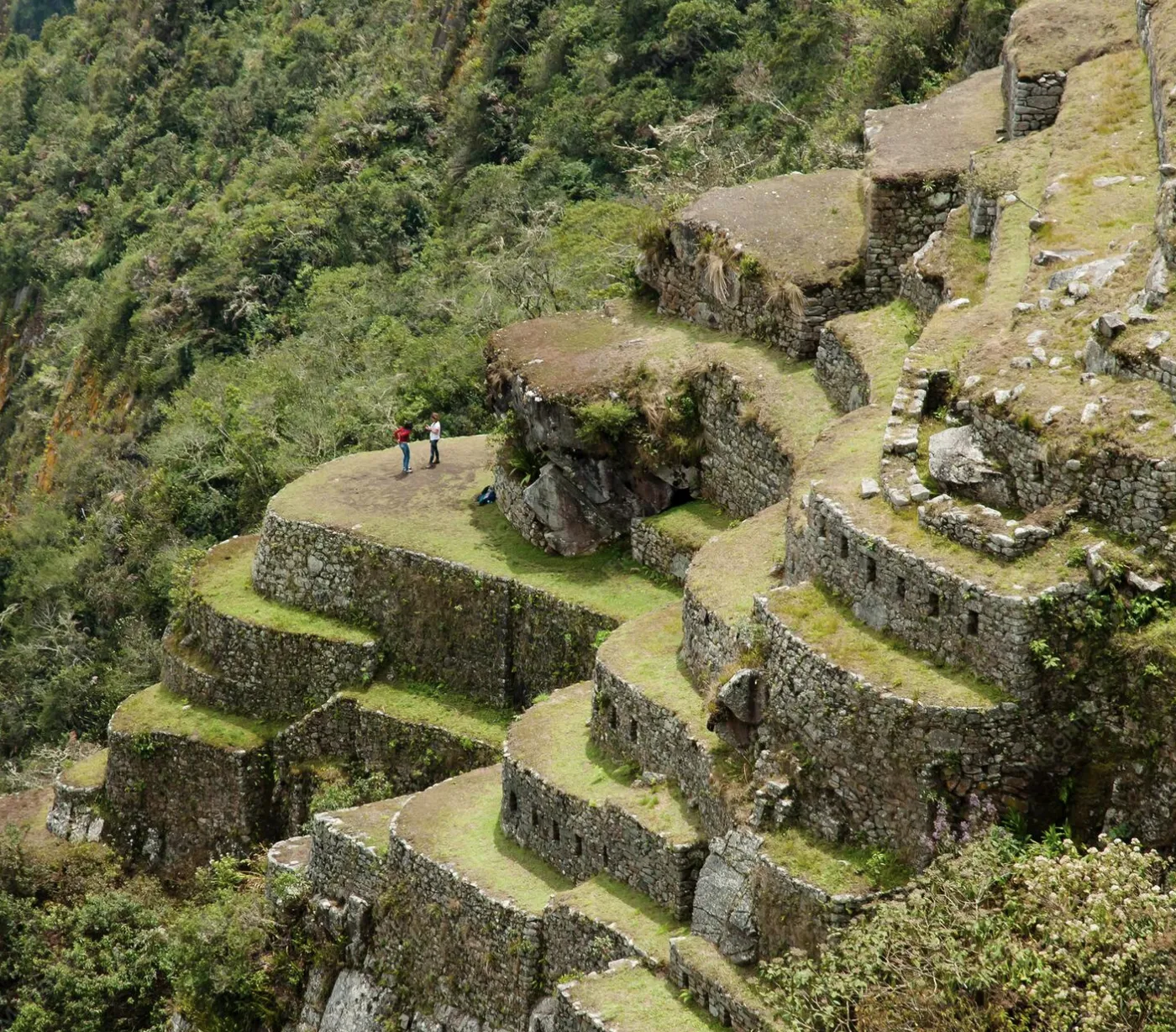
There are two kinds of Machu Picchu visitors: those who arrive by train, and those who arrive on foot with tired legs and a story to tell. If you belong to the second group, you will quickly face the big decision: the classic Inca Trail or the Salkantay trek. Both end at the same world wonder. Beyond that, they could hardly be more different.
The Inca Trail is a historic stone path that passes a chain of Inca ruins and ends at the Sun Gate. It is tightly regulated, requires a permit and sells out months ahead. The Salkantay trek crosses a high mountain pass beneath a glacier-covered peak and drops into tropical cloud forest. It needs no government permit and is wilder, longer and higher. This guide compares them side by side, so you can choose the trek that matches your fitness, your timeline and the kind of adventure you want.
The Classic Inca Trail at a Glance
The Classic Inca Trail covers roughly 42 kilometers over four days and three nights. It begins near kilometer 82 of the railway in the Sacred Valley and follows original Inca paving through cloud forest and high passes, ending at Intipunku, the Sun Gate, above the citadel. Along the way you pass archaeological sites you cannot reach any other way, such as Runkurakay, Sayacmarca, Phuyupatamarca and Wiñay Wayna.
Access is strictly controlled. Peru limits the trail to 500 permits a day, and that number includes guides, cooks and porters, which leaves roughly 200 places for trekkers. You must hike with a licensed operator; independent hiking is not allowed. The trail closes every February for maintenance and conservation, and permits are personal, non-transferable and generally non-refundable.
Highlights of the Inca Trail
- History underfoot. You walk on stones laid by the Incas and camp near ruins most visitors never see.
- The Sun Gate arrival. Seeing Machu Picchu appear below you at the end of a four-day walk is unforgettable.
- Dead Woman’s Pass. The highest point, at about 4,215 meters, is a tough but rewarding climb on day two.
- Wiñay Wayna. A beautifully preserved terraced site near the final campsite.
The Short Inca Trail
If you are short on time or fitness, the two-day Short Inca Trail starts at kilometer 104, visits Wiñay Wayna and reaches the Sun Gate the same afternoon. You sleep in Aguas Calientes and visit Machu Picchu the next morning. It also requires a permit and a licensed operator, with a smaller daily quota.
The Salkantay Trek at a Glance
The Salkantay trek is usually done in four or five days and covers roughly 70 to 75 kilometers, depending on the route variant. It starts near Soraypampa or Challacancha, climbs past the turquoise Humantay Lake and crosses the Salkantay Pass at about 4,600 meters, right beneath the 6,271-meter Salkantay peak. From there, the trail descends dramatically into subtropical valleys of coffee farms, fruit trees and waterfalls before reaching the Hidroeléctrica area and Aguas Calientes.
No government permit is needed to walk Salkantay, so you can book closer to your travel dates and even trek independently if you are experienced. Most people still go with an agency, which handles camping gear, meals, mules, transport and the Machu Picchu entrance ticket at the end.
Highlights of the Salkantay trek
- Humantay Lake. A glacial lake of startling blue at the foot of a snowy mountain.
- The Salkantay Pass. The high point of the trek, surrounded by glaciers and Andean peaks.
- Dramatic ecosystem changes. In a single day you go from frost and ice to warm cloud forest.
- Coffee and hot springs. Many itineraries include a coffee farm visit and a soak in the Cocalmayo hot springs.
- Llactapata. Some routes cross a ridge with a distant view of Machu Picchu before you reach it.
TOURS & GUIDES
Skip the stress with a guided Machu Picchu tour
Licensed guides, train and bus combos and full-day tours from Cusco, with reviews from real travelers and free cancellation on most activities.
★★★★★ Rated by millions of travelers worldwide
Side-by-Side Comparison
| Factor | Classic Inca Trail | Salkantay Trek |
|---|---|---|
| Duration | 4 days / 3 nights | 4–5 days |
| Distance | About 42 km | About 70–75 km |
| Highest point | Dead Woman’s Pass, about 4,215 m | Salkantay Pass, about 4,600 m |
| Permit needed | Yes, limited and sells out months ahead | No government permit |
| Licensed operator required | Yes | No, but recommended |
| Inca ruins on the route | Many | Few |
| Scenery | Cloud forest, ruins, high passes | Glaciers, alpine lake, jungle valleys |
| Arrival at Machu Picchu | On foot through the Sun Gate | Via Aguas Calientes and bus or stairs |
| Closed in February | Yes | Open, but rainy and muddy |
| Typical price range | About US$700–1,300 | About US$450–900 |
| Crowds | Regulated but steady | Popular, growing each year |
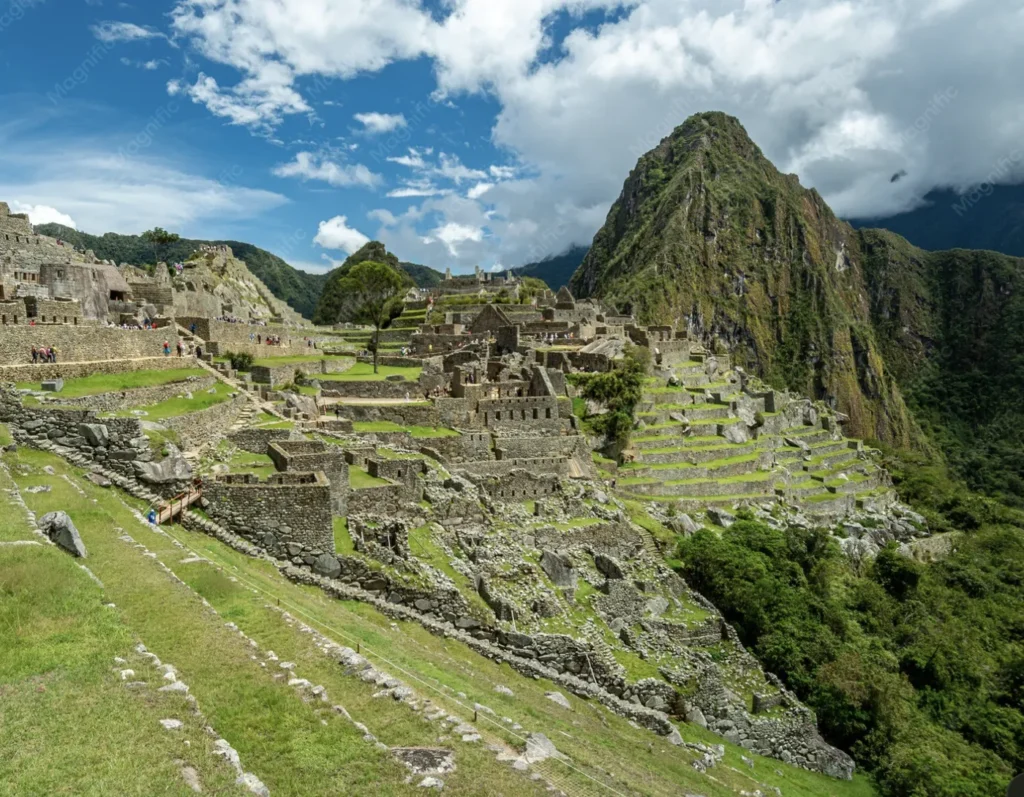
Day-by-Day: The Classic Inca Trail
Day 1: Kilometer 82 to Wayllabamba
After an early pickup in Cusco or the Sacred Valley, you reach the checkpoint at kilometer 82, show your passport and cross the river. The first day is a gentle warm-up of about 12 kilometers, passing the Llactapata ruins and following the Kusichaca valley. Porters race ahead to set up camp, and you arrive to a hot meal and your tent.
Day 2: Dead Woman’s Pass
The toughest day. You climb steadily for several hours through cloud forest and then open grassland to Warmiwañusca, the 4,215-meter pass. Take it slowly, breathe deeply and enjoy the view from the top before the long, steep descent to the Pacaymayo valley. Most people reach camp tired but proud.
Day 3: The ruins day
The longest day in distance but the most beautiful. You cross a second pass, visit Runkurakay and Sayacmarca, walk through an Inca tunnel and reach Phuyupatamarca, the “town above the clouds,” before descending thousands of steps to Wiñay Wayna, near the final camp.
Day 4: Sun Gate and Machu Picchu
You wake before dawn to wait for the checkpoint to open, then hike the last stretch to the Sun Gate. When the clouds allow, Machu Picchu appears below you in the morning light. You walk down into the citadel for a guided tour, then take the bus to Aguas Calientes and the train back.
Day-by-Day: The Salkantay Trek (5 Days)
Day 1: Cusco to Soraypampa and Humantay Lake
An early drive takes you to the trailhead. After settling into camp, you hike up to Humantay Lake, a short but steep climb that doubles as acclimatization for the next day. Nights here are freezing in the dry season.
Day 2: Salkantay Pass
The big day. You climb for several hours to the pass at around 4,600 meters beneath the glaciers of Salkantay, then descend a long way into the warmer Huaraccasa and Chaullay area. Expect around 20 kilometers and a full range of weather.
Day 3: Into the cloud forest
The trail follows the river through lush vegetation, past waterfalls, orchids and fruit trees. In the afternoon many groups visit the Cocalmayo hot springs near Santa Teresa to soak tired muscles.
Day 4: Llactapata or Hidroeléctrica to Aguas Calientes
Depending on the itinerary, you climb to the Llactapata ruins for a distant view of Machu Picchu or go straight to Hidroeléctrica, then walk along the railway to Aguas Calientes. You sleep in a hotel, take a hot shower and enjoy a real bed.
Day 5: Machu Picchu
You take an early bus or climb the stairs to the citadel for a guided visit, then return by train to Ollantaytambo and transfer to Cusco.
Porters, Mules and Responsible Trekking
On the Inca Trail, porters carry the tents, kitchen and food because pack animals are not allowed on the historic path. Peruvian law limits the weight each porter can carry, and responsible operators provide fair pay, proper equipment, insurance and decent sleeping conditions. When comparing prices, remember that the cheapest offer often comes at the expense of the crew.
On Salkantay, mules and horses carry most of the load, guided by local arrieros from the mountain communities. Ask how the operator treats its animals and staff, and whether it hires people from the local area. Tipping is customary on both treks: prepare cash in soles and give it at the farewell gathering on the last evening. Pack out all your rubbish, use the toilets at campsites and never leave toilet paper on the trail. Small choices like these keep the routes beautiful and support the families who make the treks possible.
Difficulty: Which Trek Is Harder?
Both treks are challenging, and neither requires technical climbing skills. The difference lies in the type of effort.
The Inca Trail is shorter but involves thousands of uneven stone steps, both up and down. Day two, with the climb to Dead Woman’s Pass and the steep descent, is the hardest. Knees take a beating on the descents, which is why trekking poles with rubber tips are so popular.
Salkantay is longer and higher. The pass day involves a long climb to around 4,600 meters, where every step feels heavy, followed by a long descent. Nights at the first camps are cold, often below freezing. The later days are easier, with gentler gradients but more heat and humidity.
For both treks, the biggest risk is altitude. Spend at least two or three days in Cusco or the Sacred Valley before starting. Our altitude sickness guide explains the symptoms to watch for and how to prepare.
GEAR WE RECOMMEND
Collapsible trekking poles with rubber tips
Poles take a huge load off your knees on the long Inca staircases. Make sure they have rubber tips, which are required on the Inca Trail and inside Machu Picchu.
How to Train Before Your Trek
You do not need to be an athlete to finish either trek, but preparation makes the difference between suffering and enjoying the days. Start training at least six to eight weeks before your trip. Focus on long walks with elevation gain, ideally on trails with uneven ground, while carrying a daypack of five to seven kilograms. Stair climbing is excellent practice for the Inca Trail, where the descents are as tiring as the climbs. Add lunges, squats and calf raises twice a week to strengthen your legs and protect your knees.
Break in your boots well before you fly. Blisters on day one can ruin a four-day trek. Practice using trekking poles on steep descents, and try at least one long walk of five or six hours to see how your feet and back respond. If you live at sea level, you cannot fully simulate altitude, but good cardiovascular fitness helps your body cope. Most importantly, schedule two or three easy days in Cusco or the Sacred Valley before you start, and keep the first evening light: early dinner, plenty of water and a good night’s sleep.
Cost: What Is Included?
Inca Trail prices are higher because permits are limited and operators must follow strict rules on porters, campsites and staff welfare. A typical package includes the permit, Machu Picchu entrance, a professional guide, porters, tents, meals, transfer to the trailhead, the bus down from Machu Picchu and the train back. Extras include a personal porter to carry your bag, sleeping bag rental, tips for the crew and a Huayna Picchu add-on.
Salkantay packages are cheaper and vary more in quality. Budget agencies use larger groups and basic camps, while premium operators offer small groups, better food and even lodges with private rooms. Read reviews carefully and make sure the price includes the Machu Picchu entrance ticket and the train back to Ollantaytambo or Cusco.
| Usually included | Inca Trail | Salkantay |
|---|---|---|
| Machu Picchu entrance ticket | Yes | Usually, check |
| Return train | Usually | Usually, check class |
| Porters or mules | Porters | Mules and horses |
| Tents and meals | Yes | Yes |
| Sleeping bag | Rental extra | Rental extra |
| Hotel night in Aguas Calientes | Rarely on the 4-day trek | Usually on the last night |
TRAVEL INSURANCE
Hike the Andes fully covered
Medical cover for trips abroad, including emergency care in Peru. Sign up online in minutes, even if you are already on the road.
★★★★★ Built for nomads and travelers in 180+ countries
When to Go: Best Months for Each Trek
The dry season, roughly May to September, is the best time for both treks. Days are sunny and clear, although nights can be very cold, especially on Salkantay. June to August is the busiest period, and Inca Trail permits for those months sell out first.
April, October and November are good shoulder months with greener landscapes and fewer people, plus a higher chance of afternoon showers. December to March is the rainy season. The Inca Trail closes in February, and Salkantay stays open but can be muddy, with clouds hiding the mountains and occasional landslides on lower sections. Our month-by-month guide to the best time to visit goes into more detail.
How to Book Each Trek
Booking the Inca Trail
Inca Trail permits for the following year are released in the final months of the year, and the most popular dates disappear within weeks. Choose a reputable licensed operator, send your passport details exactly as they appear on your passport, and pay a deposit to secure the permit. Because permits cannot be changed later, be sure of your dates before booking. If you want to add Huayna Picchu, ask your operator when you book, because it is a separate ticket.
Booking the Salkantay trek
Salkantay can be booked a few weeks in advance in most months, and even a few days ahead in low season. Still, the Machu Picchu entrance ticket at the end can be the bottleneck in high season, so book early if your dates fall between June and August. Ask the agency which circuit your ticket includes. If you prefer to see the classic view, request Circuit 2. Our tickets and circuits guide explains the options.
FLIGHTS TO CUSCO
Find the cheapest Lima → Cusco fares
Compare every airline flying into Cusco in seconds, set price alerts and grab the early-morning departures that leave you time to acclimatize.
★★★★★ Trusted by 100M+ travelers every month
What to Pack for Either Trek
- Broken-in hiking boots with good grip
- Warm sleeping bag rated to around -10°C for Salkantay and about -5°C for the Inca Trail
- Down jacket, fleece, thermal base layers, warm hat and gloves
- Rain jacket and pack cover
- Sun hat, sunglasses and high-SPF sunscreen
- Insect repellent for the lower, warmer sections
- Headlamp with spare batteries
- Reusable water bottle and purification tablets
- Small amount of cash in soles for tips and snacks
- Your original passport, needed at checkpoints and at Machu Picchu
GEAR WE RECOMMEND
A warm, lightweight sleeping bag
Rental bags are often tired and thin. If you sleep cold, bringing your own compressible bag makes the high camps much more comfortable.
Our Verdict by Traveler Type
- History lovers: the Inca Trail, without question. No other route lets you walk through so many Inca sites.
- Mountain and photography fans: Salkantay, for the glaciers, the lake and the dramatic change of landscapes.
- Last-minute planners: Salkantay, since no permit is needed.
- Travelers with limited days: the Short Inca Trail, which gives you the Sun Gate arrival in two days.
- Budget travelers: Salkantay with a well-reviewed mid-range agency.
Alternatives If Both Feel Wrong
If the Inca Trail is sold out and Salkantay feels too high, consider the Lares trek, which visits traditional weaving communities and hot springs, or the Inca Jungle trek, which mixes mountain biking, rafting, ziplining and hiking on the way to Aguas Calientes. If you prefer to skip the trek altogether, the train through the Sacred Valley is scenic and comfortable. Our guide to getting from Lima to Machu Picchu covers every non-hiking route.
WHERE TO SLEEP
Book your room in Cusco & Aguas Calientes
Thousands of hotels, hostels and boutique stays with free cancellation on most rooms, so you can lock in a bed before Machu Picchu dates sell out.
★★★★★ 28M+ listings · free cancellation on most stays
Frequently Asked Questions
Is the Inca Trail harder than the Salkantay trek?
Salkantay is generally considered harder because it is longer and reaches a higher pass at about 4,600 meters. The Inca Trail is shorter but involves many steep stone steps.
Do I need a permit for the Salkantay trek?
No government permit is required for Salkantay. You only need a Machu Picchu entrance ticket for the final day.
How far in advance should I book the Inca Trail?
For June to August, book as soon as permits are released, often six months or more ahead. For shoulder months, three to four months is usually safer.
Can I hike the Inca Trail without a guide?
No. Peruvian regulations require all Inca Trail hikers to go with a licensed tour operator and an official guide.
Is the Inca Trail open all year?
It is open every month except February, when it closes for maintenance and conservation.
Which trek has better views?
Salkantay has more dramatic mountain scenery with glaciers and Humantay Lake. The Inca Trail has more archaeological sites and the unique Sun Gate arrival.
How much does each trek cost?
The Classic Inca Trail usually costs around US$700 to US$1,300 with a good operator. Salkantay usually costs around US$450 to US$900, depending on group size and comfort level.
How cold does it get on the Salkantay trek?
Nights at the high camps can drop below freezing, especially from June to August. Bring warm layers and a good sleeping bag.
Can beginners do these treks?
Yes, if they are reasonably fit, prepare with some long walks and spend a few days acclimatizing in Cusco first. Neither trek requires technical climbing.
Does the trek package include Huayna Picchu?
Usually not. Huayna Picchu is a separate ticket that must be requested and paid for in advance, subject to availability.
Conclusion: Choose the Story You Want to Tell
If walking in the footsteps of the Incas and arriving through the Sun Gate is your dream, the Inca Trail is worth planning months ahead. If you want raw mountain scenery, more flexibility and a lower price, Salkantay delivers an epic journey with fewer bureaucratic hurdles. Either way, acclimatize properly, pack warm layers, choose a responsible operator and protect your trip with good travel insurance. The reward at the end, Machu Picchu after days on the trail, is worth every step.
Ready to lace up your boots? Compare guided treks and Machu Picchu tours now and lock in your dates before high season fills up.
MACHU PICCHU EXPERIENCES
Make the most of your Machu Picchu visit
2-day trips, Huayna Picchu, Machu Picchu Mountain and private guides: the best Machu Picchu days are the ones you book ahead.
SEE THE 2-DAY MACHU PICCHU TRIP →
★★★★★ Free cancellation on most activities