“Is Machu Picchu safe?” is one of the first questions travelers type into Google when they start planning a trip to Peru. The short answer is yes: Machu Picchu and Cusco are among the most visited and best-protected places in South America, and the vast majority of trips go smoothly. But “safe” does not mean “risk-free.” Altitude, steep stairs, weather, petty theft, occasional strikes and simple travel hiccups are all real, and a little preparation makes them easy to manage.
This guide covers the real risks at the ruins, in Cusco and on treks, the scams to watch for, what to do if something goes wrong and how to choose travel insurance that actually helps in Peru.
Is Machu Picchu Safe to Visit?
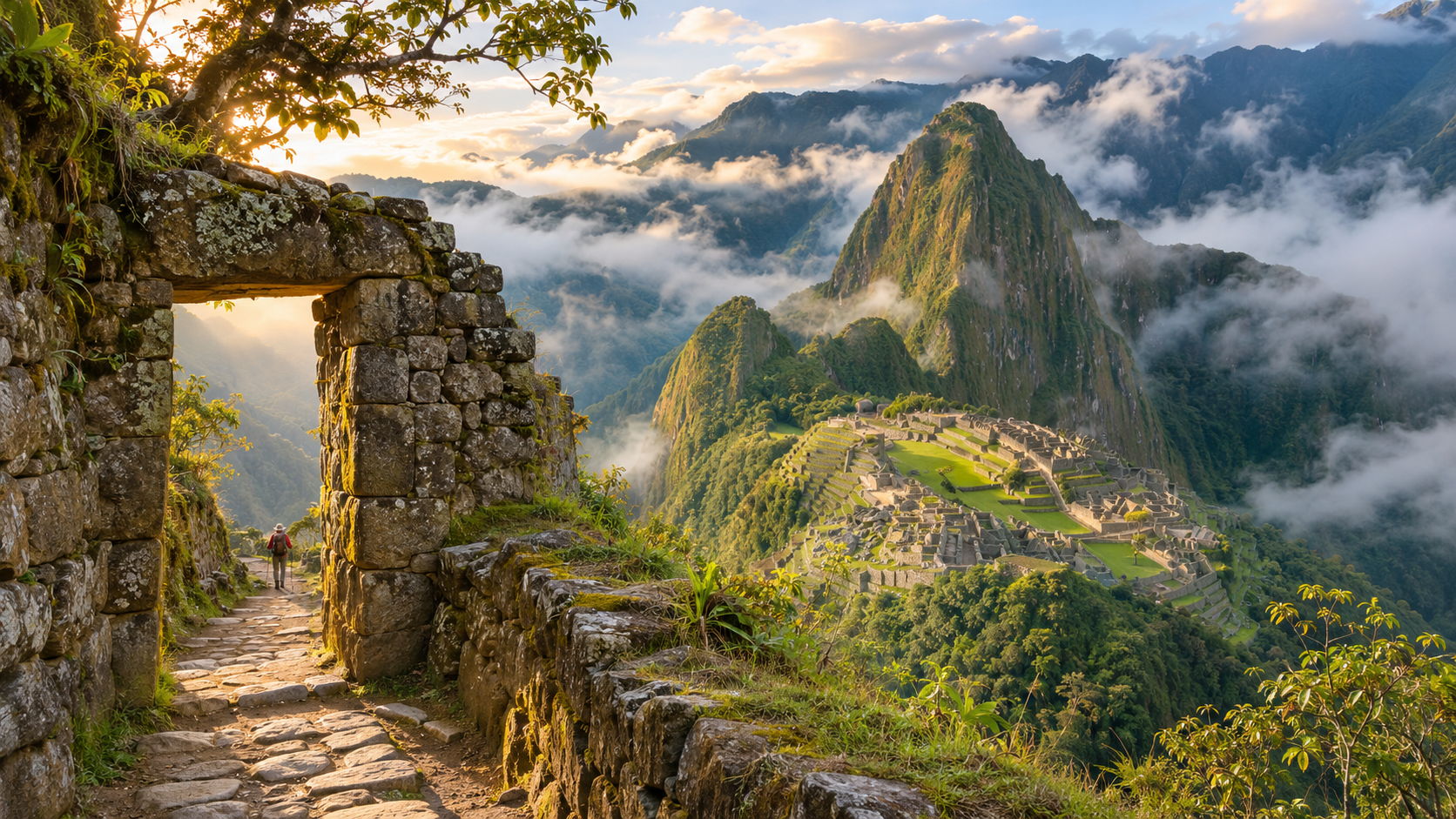
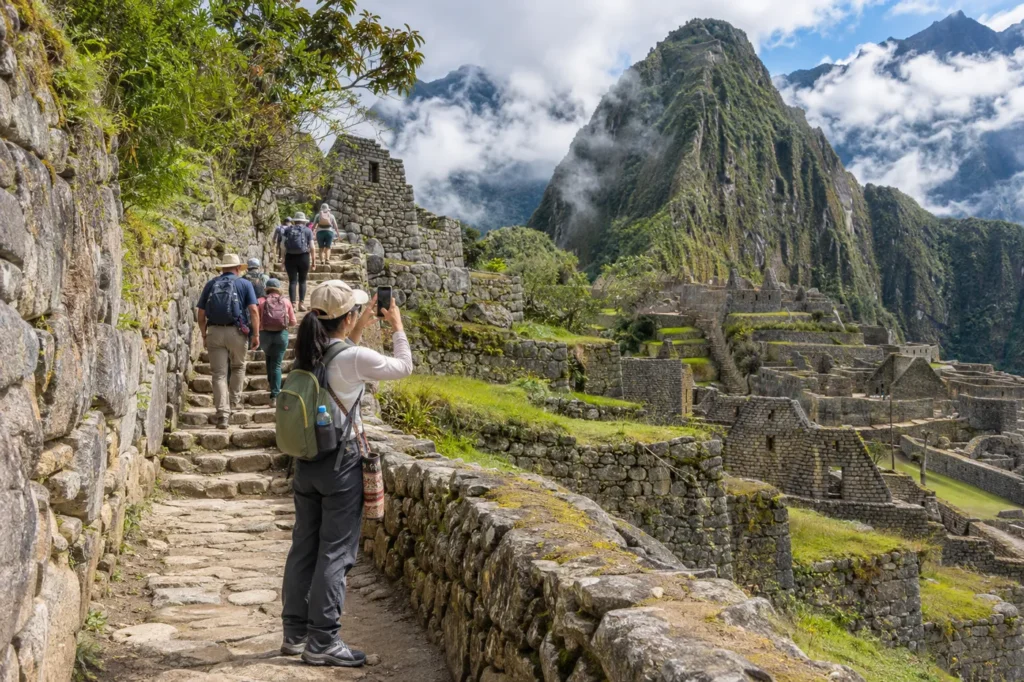
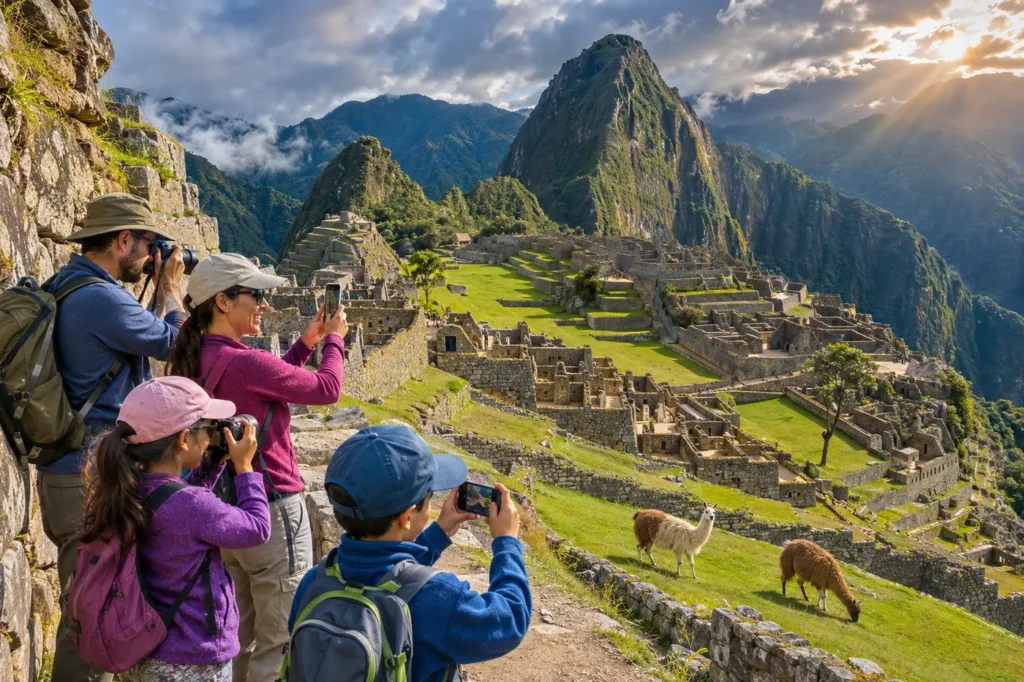
Yes. The citadel is a controlled site with staff, guards, timed entry and one-way routes. Violent crime against tourists at the ruins is extremely rare. The most common problems are physical: slips on wet stone steps, sunburn, dehydration and altitude-related fatigue. Inside the site there are no railings on many terraces, so stay on marked paths, watch children closely and never climb walls for a photo.
Before traveling, check your government’s official travel advisory for Peru, such as the US State Department page or your own country’s equivalent, because conditions can change.
Is Cusco Safe for Tourists?
Cusco is generally safe, especially in the historic center, San Blas and the main tourist areas, which have a visible tourist police presence. Like any busy city, it has pickpocketing and bag snatching in crowded places. Our sister site’s honest guide to whether Peru is safe to travel in 2026 covers the country in more detail.
Common risks in Cusco
- Pickpocketing in markets, festivals, buses and the Plaza de Armas.
- Unlicensed taxis, especially late at night. Use registered taxis or ride apps.
- Drink spiking in some nightlife areas. Watch your drink and stay with friends.
- Fake tour agencies selling tickets or tours that do not exist.
- ATM skimming. Use machines inside banks or shopping centers.
TRAVEL INSURANCE
Hike the Andes fully covered
Medical cover for trips abroad, including emergency care in Peru. Sign up online in minutes, even if you are already on the road.
★★★★★ Built for nomads and travelers in 180+ countries
Risk Comparison: What Actually Affects Travelers
| Risk | How common | Where | How to prevent it |
|---|---|---|---|
| Altitude sickness | Very common (mild) | Cusco, treks | Sleep low first, rest, hydrate |
| Stomach problems | Common | Everywhere | Bottled water, busy restaurants |
| Pickpocketing | Occasional | Markets, buses, festivals | Money belt, front-facing bag |
| Slips and falls | Occasional | Ruins, trails | Good shoes, stay on paths |
| Strikes and road blocks | Occasional | Roads, trains | Follow news, keep a buffer day |
| Landslides | Seasonal | Rail and roads, Nov–Mar | Flexible plans, insurance |
| Violent crime | Rare | Isolated areas at night | Use registered taxis, avoid empty streets |
Altitude: The Most Common Health Risk
Most visitors feel the altitude in Cusco, which sits at about 3,400 meters. Symptoms such as headache, breathlessness and poor sleep are usually mild and improve within a day or two. Serious altitude illness is rare but possible on high treks or Rainbow Mountain. Plan an itinerary that sleeps lower in the Sacred Valley first and save high excursions for the end. Our full altitude sickness guide explains warning signs and when to get help. If you will also visit Bolivia’s high plateau, read about altitude sickness in Uyuni.
Safety on the Inca Trail and Other Treks
The Inca Trail is regulated and only possible with licensed operators, which makes it one of the safer multi-day treks in South America. Salkantay and other routes are less regulated, so your choice of agency matters. Check that guides are certified, carry first aid and oxygen, and that the company has a clear evacuation plan. Read reviews, avoid the very cheapest offers and tell your guide about any symptoms right away. Compare the options in our Inca Trail vs Salkantay guide and the Inca Trail alternatives on Uncover the Andes.
TOURS & GUIDES
Skip the stress with a guided Machu Picchu tour
Licensed guides, train and bus combos and full-day tours from Cusco, with reviews from real travelers and free cancellation on most activities.
★★★★★ Rated by millions of travelers worldwide
Common Scams and How to Avoid Them
- Fake Machu Picchu ticket websites. Buy only on the official Ministry of Culture platform or through licensed agencies. Our ticket guide explains how.
- “The train is cancelled, take my van.” Confirm any change directly with PeruRail or Inca Rail.
- Counterfeit bills. Check notes when receiving change; real soles have watermarks and color-shifting ink.
- Overpriced taxis from the airport. Use the official taxi stand or an app, and agree on the fare first.
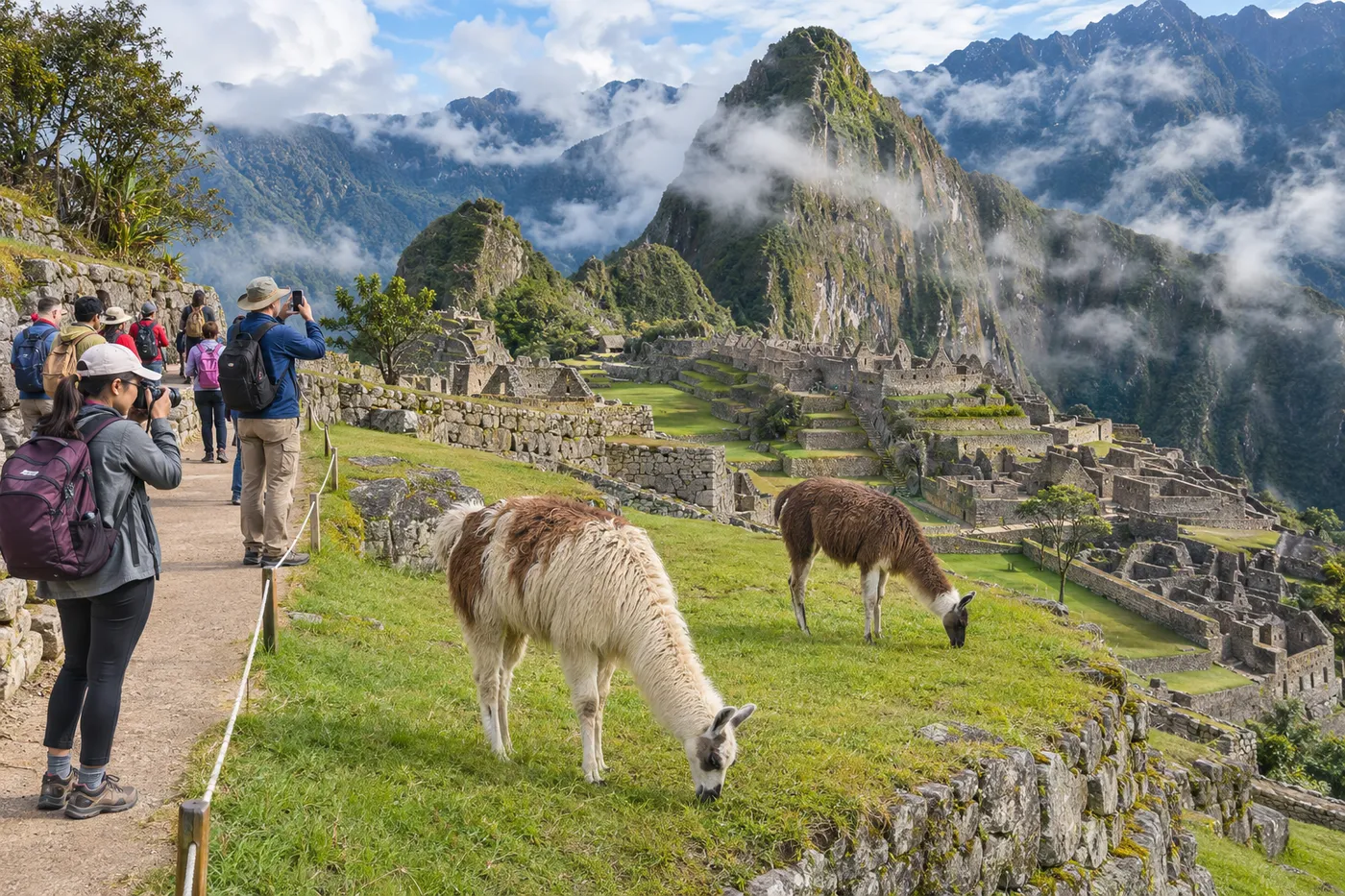
- Photo fees. People in traditional dress with llamas expect a tip for photos. That is fair, but agree on the amount first.
Health Preparation Before You Fly
Visit a travel clinic four to six weeks before your trip. Routine vaccines should be up to date, and doctors often recommend hepatitis A and typhoid for Peru. Yellow fever vaccination is recommended for some jungle regions of Peru but is generally not needed for Cusco and Machu Picchu; the rules differ by itinerary and nationality, so check this yellow fever vaccine guide if you plan to visit the Amazon. Pack a small kit with painkillers, stomach medicine, rehydration salts, plasters for blisters, sunscreen and insect repellent, and bring prescription medicines in their original packaging.
Safety Tips for Families and Older Travelers
Machu Picchu is a wonderful family destination, but the terraces have long drops and no railings, so hold small children’s hands and use a carrier rather than a stroller, which is not allowed inside. Plan extra rest days for altitude, choose a standard circuit without mountain climbs and book private transfers instead of crowded vans. Older travelers should get a medical check-up before the trip, especially for heart or lung conditions, and choose hotels near the center with heating and, ideally, oxygen available. Everyone benefits from starting the day early, when it is cooler and quieter, and from taking breaks in the shade.
Strikes, Protests and Natural Hazards
Peru occasionally experiences strikes and protests that block roads or suspend trains, sometimes affecting access to Machu Picchu for a few days. They are usually announced in advance. Follow local news, ask your hotel and keep at least one flexible day before your international flight. In the rainy season, from roughly November to March, landslides can affect roads and the railway. Our best time to visit guide explains the seasons.
Peru is also an earthquake-prone country. Hotels post evacuation routes; take a minute to read them on arrival.
Do You Need Travel Insurance for Peru?
Travel insurance is not legally required to enter Peru for most tourists, but it is strongly recommended. Private clinics in Cusco are good but expensive, helicopter or ground evacuation from a remote trek can cost thousands of dollars, and flight delays in the Andes are common. Check the current entry rules for your nationality in this Peru entry requirements guide.
What your policy should cover
| Coverage | Why it matters in Peru | Priority |
|---|---|---|
| Emergency medical care | Private clinics in Cusco and Lima | Essential |
| Medical evacuation | Remote treks and high altitude | Essential |
| Trekking at altitude | Some policies exclude hiking above certain heights | Essential for treks |
| Trip delay and interruption | Strikes, landslides, flight delays | High |
| Lost or stolen belongings | Pickpocketing and lost luggage | Medium |
| Trip cancellation | Non-refundable tickets and trains | Medium |
Read the policy wording carefully, especially the maximum altitude covered for hiking and whether adventure activities such as rafting or ziplining are included. For a comparison of providers, see the best travel insurance for South America.
TRAVEL INSURANCE
Hike the Andes fully covered
Medical cover for trips abroad, including emergency care in Peru. Sign up online in minutes, even if you are already on the road.
★★★★★ Built for nomads and travelers in 180+ countries
What to Do If Something Goes Wrong
- Medical emergency: call your insurer’s emergency line first; they can direct you to a clinic and handle payment guarantees.
- Theft: file a report with the tourist police (Policía de Turismo) for your insurance claim.
- Lost passport: contact your embassy in Lima. Keep digital copies of your documents.
- Flight delay or cancellation: keep receipts and boarding passes; you may be entitled to compensation.
- Train disruption: contact the operator directly about changes and refunds.
FLIGHT DELAYED?
Get paid for delays & cancellations
If your flight to Peru was delayed, cancelled or overbooked, you may be owed compensation. Check your flight in under two minutes.
★★★★★ Helped 2M+ passengers claim compensation
Smart Safety Habits for Your Trip
- Carry a copy of your passport and leave the original in the hotel safe, except on train and Machu Picchu days, when you need the original.
- Split your money between two places.
- Use a crossbody bag worn in front in crowds.
- Keep your phone away from the edge of tables in cafés.
- Share your itinerary with someone at home.
- Buy a local SIM or eSIM so you always have maps and data; see the best eSIMs for South America.
Finally, trust your instincts. If a deal seems too good to be true, a taxi feels wrong or a street looks empty late at night, step away and choose another option. Hotel staff and tourist police in Cusco are used to helping visitors and are the best people to ask when you are unsure about a neighborhood, a tour company or a transport option.
GEAR WE RECOMMEND
An anti-theft crossbody bag
Lockable zippers and slash-resistant straps make a crossbody bag the easiest way to keep valuables safe in markets, buses and festivals.
WHERE TO SLEEP
Book your room in Cusco & Aguas Calientes
Thousands of hotels, hostels and boutique stays with free cancellation on most rooms, so you can lock in a bed before Machu Picchu dates sell out.
★★★★★ 28M+ listings · free cancellation on most stays
Frequently Asked Questions
Is Machu Picchu safe to visit in 2026?
Yes. Machu Picchu is a controlled site with timed entry and staff. The main risks are physical, such as slippery steps and altitude, rather than crime.
Is Cusco safe at night?
The historic center is generally safe at night. Use registered taxis, avoid empty streets and watch your drinks in bars.
Do I need travel insurance for Machu Picchu?
It is not usually required to enter Peru, but it is strongly recommended for medical care, evacuation, delays and theft.
What is the biggest danger at Machu Picchu?
Falls on steep or wet stone steps and terraces without railings. Wear good shoes and stay on marked paths.
Is the Inca Trail dangerous?
It is a challenging but well-regulated trek. With a licensed operator and proper acclimatization, it is safe for fit travelers.
Is it safe to drink tap water in Peru?
No. Drink bottled, boiled or filtered water.
Can strikes affect my Machu Picchu trip?
Occasionally. Protests can block roads or suspend trains for a few days, so keep a buffer day and follow local news.
Is Peru safe for solo female travelers?
Many women travel solo in Peru without problems. Use common precautions: registered taxis, trusted tour operators and care at night.
Does travel insurance cover altitude sickness?
Most policies cover medical treatment, but check whether hiking above certain altitudes is covered if you plan treks.
What should I do if my passport is stolen in Peru?
Report it to the tourist police, then contact your embassy in Lima for an emergency travel document.
Conclusion: Prepared Travelers Have the Best Trips
Machu Picchu and Cusco are safe, welcoming destinations, and millions of visitors enjoy them every year without a problem. The difference between a stressful trip and a smooth one is preparation: respect the altitude, wear good shoes, protect your valuables, buy tickets from official sources, keep a flexible day for strikes or weather and travel with solid insurance. Do that, and you can focus on what matters: the view.
Before you go, get covered, compare flights and book hotels with free cancellation for peace of mind.
FLIGHTS TO CUSCO
Find the cheapest Lima → Cusco fares
Compare every airline flying into Cusco in seconds, set price alerts and grab the early-morning departures that leave you time to acclimatize.
★★★★★ Trusted by 100M+ travelers every month