You step off the plane in Cusco, grab your backpack, walk up a short flight of stairs and suddenly feel as if you have just run a race. Your heart pounds, your head feels tight and you wonder whether something is wrong. Welcome to the Andes. Cusco sits at about 3,400 meters above sea level, and for most visitors arriving from the coast or from abroad, the thin air is the first real challenge of a trip to Machu Picchu.
The good news is that altitude sickness is predictable, usually mild and largely preventable. With a sensible itinerary and a few simple habits, the vast majority of travelers adapt within a couple of days. This guide explains what happens to your body at altitude, how high each stop on the route really is, how to acclimatize, what helps and what does not, and the warning signs that mean you need medical help. It is general travel information, not medical advice, so if you have a heart or lung condition, are pregnant or take regular medication, talk to your doctor before you travel.
How High Are Cusco and Machu Picchu?
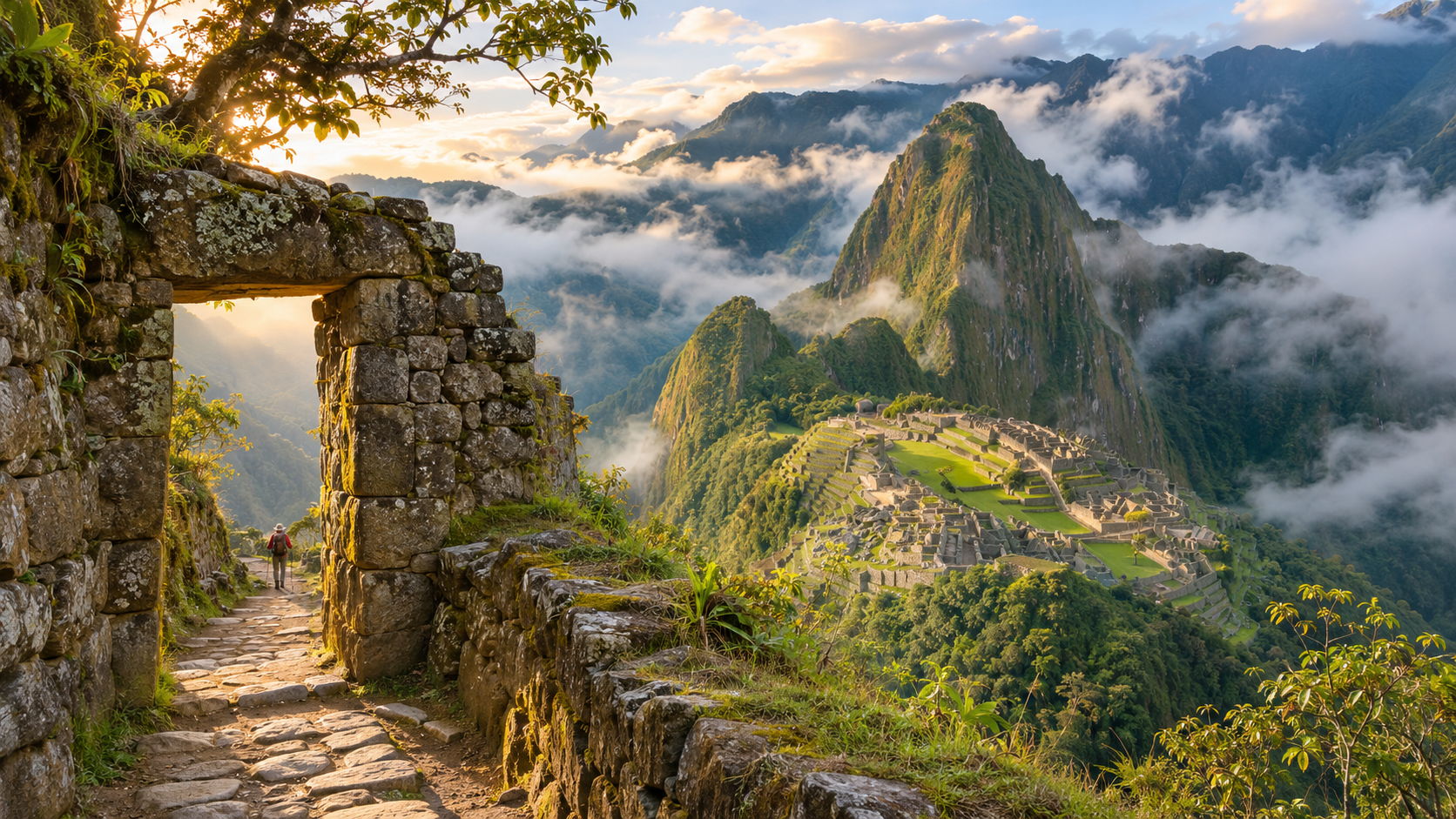
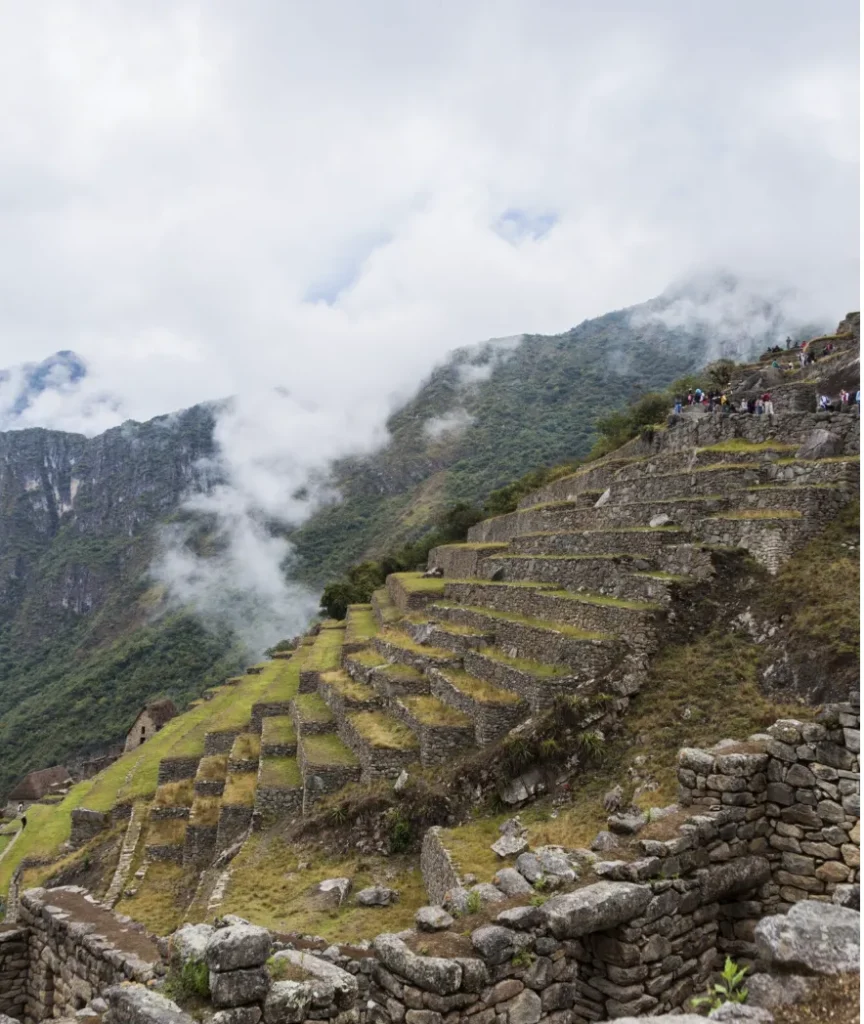
Many visitors are surprised to learn that Machu Picchu is lower than Cusco. The citadel sits in a cloud forest valley well below the city, which is why the Sacred Valley and Machu Picchu are often easier on the body than Cusco itself.
| Place | Approx. altitude (m) | Approx. altitude (ft) | How it usually feels |
|---|---|---|---|
| Lima | 0 – 150 | 0 – 500 | Sea level |
| Aguas Calientes | 2,040 | 6,700 | Mild, warm and humid |
| Machu Picchu citadel | 2,430 | 7,970 | Mild; stairs feel harder than usual |
| Ollantaytambo / Urubamba | 2,800 – 2,870 | 9,200 – 9,400 | Noticeable, but easier than Cusco |
| Cusco | 3,400 | 11,150 | Most visitors feel it on day one |
| Inca Trail, Dead Woman’s Pass | 4,215 | 13,830 | Strenuous, short stay at the top |
| Salkantay Pass | 4,600 | 15,090 | Very strenuous, risk of symptoms |
| Rainbow Mountain (Vinicunca) | 5,000+ | 16,400+ | Only after good acclimatization |
What Is Altitude Sickness?
As you go higher, air pressure drops, and each breath delivers less oxygen to your lungs. Your body responds by breathing faster, raising your heart rate and, over days, producing more red blood cells. While it adjusts, you may develop acute mountain sickness, often called AMS or, locally, soroche.
Common symptoms
- Headache, often the first sign
- Tiredness and lack of energy
- Shortness of breath on exertion
- Nausea or loss of appetite
- Dizziness or light-headedness
- Poor sleep, waking up often during the night
Symptoms usually appear six to twelve hours after arrival and ease within one to three days as you acclimatize. Anyone can be affected, regardless of age or fitness. Being very fit does not protect you and can even tempt you to push too hard on day one.
Serious forms that need urgent care
Rarely, altitude sickness progresses to life-threatening conditions: fluid on the lungs (HAPE) or swelling of the brain (HACE). They are uncommon at Cusco’s altitude but more likely on high treks or when people ascend fast and ignore symptoms. Seek medical help immediately if you or a companion have:
- Breathlessness at rest, a persistent cough or gurgling breathing
- Confusion, unusual behavior or extreme drowsiness
- Loss of coordination, stumbling or being unable to walk in a straight line
- A severe headache that does not respond to rest and simple painkillers
- Bluish lips or fingertips
The single most effective treatment for serious altitude illness is to descend. Cusco has clinics experienced with altitude problems, and many hotels keep oxygen available. Do not wait until morning if symptoms are getting worse.
TRAVEL INSURANCE
Hike the Andes fully covered
Medical cover for trips abroad, including emergency care in Peru. Sign up online in minutes, even if you are already on the road.
★★★★★ Built for nomads and travelers in 180+ countries
The Smart Itinerary: Sleep Low First
The best prevention is a good plan. Mountaineers follow a simple rule: climb high, sleep low, and ascend gradually. You can apply the same idea to a Machu Picchu trip.
Instead of spending your first night in Cusco, go straight from the airport to the Sacred Valley, which is several hundred meters lower. Spend one or two nights in Urubamba or Ollantaytambo, visit Machu Picchu, which is lower still, and only then return to Cusco for sightseeing at the end of your trip. By the time you sleep at 3,400 meters, your body has had several days to adjust. Our Lima to Machu Picchu route guide includes a sample itinerary built on this principle.
| Day | Classic plan (harder) | Sleep-low plan (easier) |
|---|---|---|
| 1 | Fly to Cusco, sleep at 3,400 m | Fly to Cusco, transfer to Sacred Valley, sleep at ~2,850 m |
| 2 | Cusco sightseeing | Sacred Valley sites, train to Aguas Calientes, sleep at ~2,040 m |
| 3 | Train to Machu Picchu | Visit Machu Picchu (~2,430 m), return to Cusco |
| 4 | Return to Cusco | Cusco sightseeing, now better acclimatized |
WHERE TO SLEEP
Book your room in Cusco & Aguas Calientes
Thousands of hotels, hostels and boutique stays with free cancellation on most rooms, so you can lock in a bed before Machu Picchu dates sell out.
★★★★★ 28M+ listings · free cancellation on most stays
Daily Habits That Help
Take it slowly on day one
Walk slowly, rest often and avoid hiking, running or heavy lifting for the first 24 to 48 hours. Cusco’s streets are steep and the historic center is full of stairs, so even a city walk counts as exercise. A short nap on arrival is fine, but try to keep a normal sleep schedule.
Drink water, but do not overdo it
The air at altitude is dry, and you lose more water through breathing. Drink regularly throughout the day and watch the color of your urine. There is no need to force huge amounts; excessive water does not prevent altitude sickness.
Eat light, carbohydrate-rich meals
Digestion slows at altitude. Soups, rice, potatoes, quinoa and bread are easier than heavy, fatty meals. Local dishes like quinoa soup and lomo saltado in moderate portions are good choices.
Limit alcohol and sedatives
Alcohol dehydrates you and worsens sleep, and sleeping pills can depress breathing at night. Save the pisco sours for after you have acclimatized.
Protect yourself from the sun and cold
UV radiation is much stronger at altitude, and temperatures swing from warm afternoons to cold nights. Wear sunscreen, sunglasses and a hat, and layer up in the evening.
GEAR WE RECOMMEND
A fingertip pulse oximeter
A small oximeter shows your blood oxygen level and heart rate in seconds. It cannot diagnose altitude sickness, but many trekkers like it for tracking how they adapt day by day.
A Gentle First Day in Cusco, Hour by Hour
If your itinerary does start in Cusco, here is what a well-paced arrival day looks like. Land in the morning and take a taxi or pre-arranged transfer to your hotel rather than walking with luggage. Check in, drink a glass of water or a cup of tea and lie down for an hour. Around lunchtime, eat something light, such as a quinoa soup, and avoid big portions of meat or fried food.
In the afternoon, take a slow walk to the Plaza de Armas, which is mostly flat from the hotels around it. Sit on a bench, watch the city and resist the urge to climb up to San Blas or Sacsayhuamán. If you feel short of breath, stop and rest. Head back before sunset, because temperatures drop quickly. Have an early dinner, skip the alcohol and go to bed at a normal hour. The next morning, most people wake up feeling noticeably better, and that is the moment to start exploring the steeper neighborhoods.
Common Myths About Altitude
“I’m young and fit, so I won’t be affected.”
Altitude sickness depends mainly on genetics, the speed of ascent and the altitude reached, not on age or fitness. Elite athletes get headaches in Cusco too.
“If I felt fine last time, I’ll feel fine again.”
Previous experience gives some idea of how you respond, but it is not a guarantee. A cold, poor sleep or a faster itinerary can change the outcome.
“Drinking huge amounts of water prevents it.”
Staying hydrated helps you feel better, and dehydration can mimic altitude symptoms, but excess water does not stop altitude sickness and can be harmful.
“Machu Picchu is the highest point of the trip.”
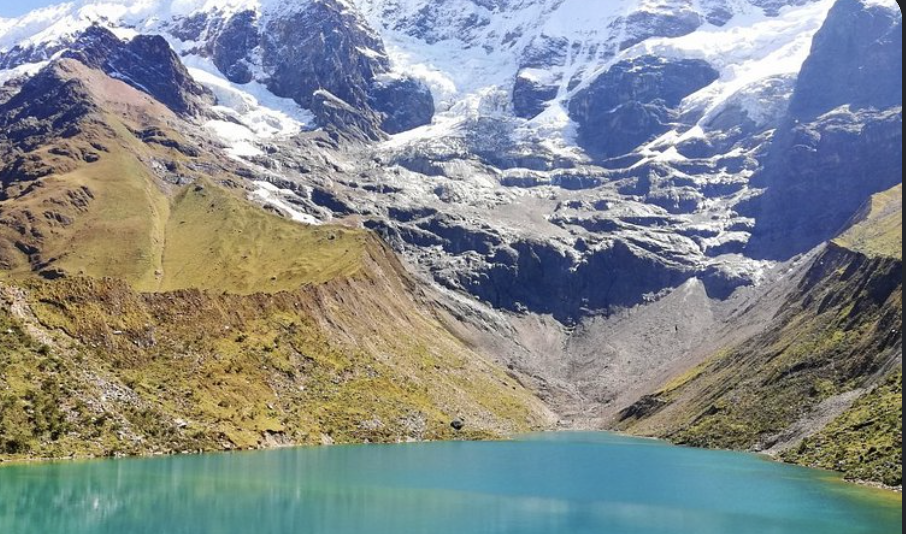
It is actually lower than Cusco. The highest points are on treks and side trips such as Rainbow Mountain and Humantay Lake.
“A headache is normal, so I should just push on.”
A mild headache that improves with rest is common. A headache that gets worse, or comes with vomiting, confusion or breathlessness at rest, is a signal to stop, rest and seek help.
Packing List for High Altitude
- High-SPF sunscreen and lip balm with sun protection
- Sunglasses with UV protection
- Warm layers: fleece, light down jacket, hat and gloves
- Reusable water bottle
- Electrolyte sachets for long days
- Your regular medication plus simple painkillers
- A copy of your travel insurance details and emergency numbers
- Moisturizer and saline nasal spray for the dry air
Coca Tea, Local Remedies and Their Limits
In Cusco, almost every hotel offers mate de coca, a tea made from coca leaves. Andean people have used coca for centuries to cope with altitude, hunger and fatigue. Many travelers find it soothing and mildly energizing, but scientific evidence that it prevents altitude sickness is limited. Enjoy it as part of the culture, not as a cure.
Keep in mind that coca leaves contain small amounts of alkaloids related to cocaine. Drinking the tea can lead to a positive result in some drug tests, and it is illegal to take coca leaves or coca products into many countries, including the United States. Drink it in Peru and leave it there.
You will also see muña, an Andean mint tea that is good for digestion, and cans of oxygen sold in pharmacies. Bottled oxygen can relieve symptoms for a short time, but it does not speed up acclimatization.
Medication: What to Ask Your Doctor
Some travelers take preventive medication, most commonly acetazolamide, a prescription drug that can help the body acclimatize faster. It is not suitable for everyone. It has side effects such as tingling fingers and frequent urination, interacts with some conditions and medicines, and is not recommended for people with certain allergies. Only take it if a doctor prescribes it for you, ideally at a travel clinic a few weeks before your trip.
Simple painkillers can relieve mild headaches, and anti-nausea medicine can help with an upset stomach. Bring any regular medication in its original packaging, with enough supply for the whole trip. Never use medication as a reason to ascend faster or ignore worsening symptoms.
MACHU PICCHU EXPERIENCES
Make the most of your Machu Picchu visit
2-day trips, Huayna Picchu, Machu Picchu Mountain and private guides: the best Machu Picchu days are the ones you book ahead.
SEE THE 2-DAY MACHU PICCHU TRIP →
★★★★★ Free cancellation on most activities
Sleeping Well at Altitude
Poor sleep is one of the most common complaints in Cusco, even among people with no other symptoms. At altitude, breathing can become irregular during sleep, with short pauses followed by deeper breaths, which wakes you up and leaves you feeling unrested. It usually improves after a few nights.
To sleep better, keep the room warm, because Cusco hotels often lack central heating and nights are cold. Ask for an extra blanket or a heater, and wear a warm layer to bed. Avoid large meals and alcohol in the evening, and keep caffeine to the morning. A slightly raised pillow can help. If you wake up with a headache that gets worse during the day, take it seriously and rest rather than starting a long excursion.
Altitude and Your Machu Picchu Visit
Because Machu Picchu is lower than Cusco, the visit itself is rarely a problem for travelers who have spent a day or two in the area. Still, the citadel is built on a mountainside, and almost every route involves stairs. If you choose a mountain route, such as Huayna Picchu or Machu Picchu Mountain, you climb several hundred meters in a short time on steep steps.
Pick a route that matches how you feel. If you are still adjusting, a standard circuit gives you the classic view and the main temples without a big climb. Save mountain routes for a second visit or for later in your trip. Start early, carry water, wear sunscreen, take regular breaks and let faster groups pass. Remember there are no toilets or food stalls inside, so prepare before you enter.
Altitude and Treks: Extra Precautions
If you plan to hike the Inca Trail, the Salkantay trek or Rainbow Mountain, altitude becomes much more important. These routes take you well above Cusco, sometimes to 4,600 meters or more, often far from roads and clinics. Follow these extra rules:
- Spend at least three days in the Cusco area before starting a high trek.
- Choose an operator whose guides carry oxygen and a first-aid kit and are trained in altitude emergencies.
- Tell your guide immediately about any symptoms. Guides would rather adjust the pace than evacuate someone.
- Never continue climbing with worsening symptoms. Rest at the same altitude or descend.
Our comparison of the Inca Trail and the Salkantay trek explains the altitude profile of each route.
Questions to Ask Your Tour Operator
A good operator will be happy to answer these before you pay:
- Do your guides carry bottled oxygen and a pulse oximeter on every tour?
- Are guides trained in first aid and altitude emergencies?
- What is the evacuation plan if someone gets seriously ill on the trail?
- Can the itinerary include an extra acclimatization day?
- Is the first night of the trek at a high camp, and how high?
- Do you check on guests’ symptoms every morning?
Clear, confident answers are a good sign. Vague answers, or a tour that starts the day after you land, are a reason to look elsewhere.
Altitude Sickness by Traveler Type
Children
Children can get altitude sickness and may not describe their symptoms clearly. Watch for irritability, unusual tiredness, loss of appetite and trouble sleeping. Plan a gentle itinerary that sleeps low first, and talk to a pediatrician before traveling with very young children.
Older travelers
Age alone does not increase the risk of altitude sickness, but heart and lung conditions do. Get a check-up before your trip and discuss your itinerary with your doctor.
People with medical conditions
If you have heart disease, lung disease, anemia, sickle cell disease, high blood pressure or are pregnant, ask a doctor whether high altitude is safe for you and whether you need special precautions.
FLIGHTS TO CUSCO
Find the cheapest Lima → Cusco fares
Compare every airline flying into Cusco in seconds, set price alerts and grab the early-morning departures that leave you time to acclimatize.
★★★★★ Trusted by 100M+ travelers every month
Why Travel Insurance Matters at Altitude
Medical care in Cusco is generally good in private clinics, but it is not cheap, and evacuation from a remote trek can be very expensive. Make sure your travel insurance covers medical treatment abroad and emergency evacuation, and check whether it covers hiking at the altitudes you plan to reach. Keep your policy number and emergency phone line in your phone and on paper, and share them with your tour operator.
Not sure when to plan your trip? Our guide to the best time to visit Machu Picchu explains how weather and crowds change across the year, and our ticket guide helps you choose a circuit that matches your energy level after arriving at altitude.
Frequently Asked Questions
Will I get altitude sickness at Machu Picchu?
Machu Picchu is at about 2,430 meters, lower than Cusco, so most visitors feel fine there. The bigger challenge is usually Cusco, at about 3,400 meters.
How long does it take to acclimatize to Cusco?
Most people feel much better after one to three days. Full acclimatization takes longer, which is why high treks should start after at least two or three days in the area.
Does coca tea prevent altitude sickness?
Many travelers find it comforting, but evidence that it prevents altitude sickness is limited. Do not take coca products out of Peru, as they are illegal in many countries.
Should I take acetazolamide for Cusco?
Only if a doctor prescribes it. It can help some people acclimatize but has side effects and is not suitable for everyone.
Is it better to stay in the Sacred Valley first?
For many visitors, yes. The Sacred Valley is several hundred meters lower than Cusco, so sleeping there first often makes adjustment easier.
Can fit people get altitude sickness?
Yes. Fitness does not prevent altitude sickness. Fit people sometimes push too hard on the first day, which can make symptoms worse.
What are the warning signs of serious altitude sickness?
Breathlessness at rest, confusion, loss of coordination, a persistent cough or a severe headache that does not improve. Seek medical help and descend immediately.
Can I drink alcohol in Cusco?
It is best to avoid alcohol for the first day or two. It dehydrates you and can worsen sleep and symptoms.
Do hotels in Cusco have oxygen?
Many hotels keep oxygen for guests, and some rooms are oxygen-enriched. Ask when you book if this matters to you.
Is Rainbow Mountain safe after arriving in Cusco?
Rainbow Mountain reaches over 5,000 meters. It is best to visit only after several days of acclimatization and never on your first or second day.
Conclusion: Go Slow, Sleep Low and Enjoy the View
Altitude is part of the adventure of visiting Machu Picchu, not a reason to stay away. Plan an itinerary that sleeps low first, take your first days easy, drink water, eat light and listen to your body. Know the warning signs, carry good travel insurance and do not hesitate to ask for help. Treat the mountains with respect, and you will arrive at Machu Picchu with clear eyes and energy to enjoy every terrace.
Before you fly, make sure you are covered for medical care abroad and book a relaxing first night in the Sacred Valley.
TOURS & GUIDES
Skip the stress with a guided Machu Picchu tour
Licensed guides, train and bus combos and full-day tours from Cusco, with reviews from real travelers and free cancellation on most activities.
★★★★★ Rated by millions of travelers worldwide